Routine & Upkeep
What Genuinely Needs Cleaning Weekly and What Does Not
A lot of cleaning effort goes into things that did not need it while genuinely important surfaces get missed. The distinction is about what accumulates and what merely looks dusty.

This looks at cleaning frequency from the practical end — what holds up once conditions stop being ideal.
What holds up in practice
- Food contact surfaces and high-touch points matter more than visible tidiness.
- Some jobs accumulate damage if skipped, and others simply look untidy.
- Bedding and towels have a hygiene case for regular washing that dusting does not.
The hygiene tier
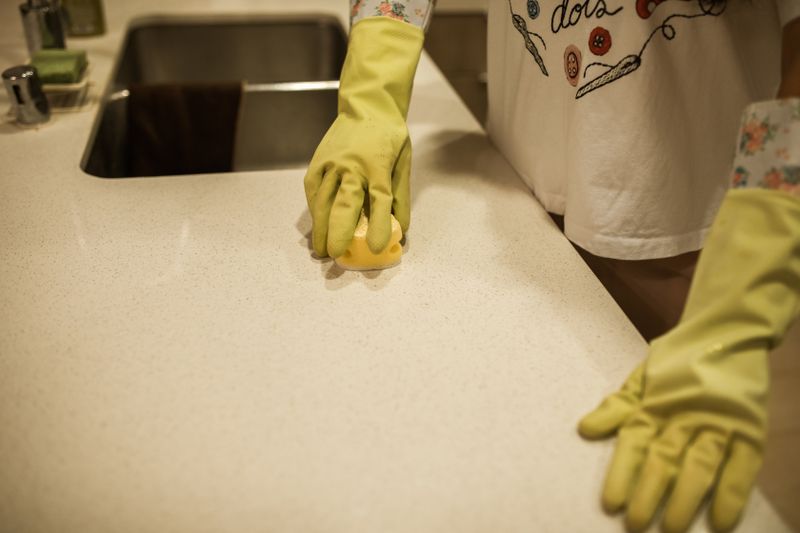
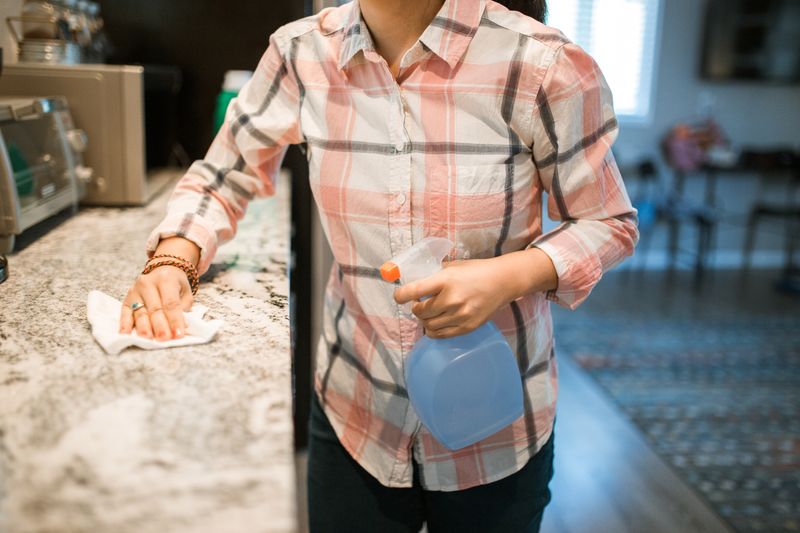
Food preparation surfaces, chopping boards, the sink and anything that contacts raw meat need cleaning as a matter of hygiene rather than appearance. Cloths and sponges hold moisture and food residue and are among the most heavily contaminated items in a kitchen.
Replace or thoroughly clean them frequently, and never use the same cloth on raw meat surfaces and on ready-to-eat food areas. High-touch points such as handles, switches and taps matter particularly during illness, when they carry infection between hands. This tier is not optional and it takes very little time, which makes it the highest-value cleaning you do.
The accumulation tier
Some jobs get materially harder if skipped, which is what makes them worth a regular slot rather than an occasional one. Limescale in a kettle, on taps and on shower screens builds in layers and becomes progressively harder to remove.
Oven grease carbonises with each use, and an oven cleaned every few months is a far smaller job than one cleaned annually. Extractor filters clog with grease, which reduces their effectiveness and makes the whole kitchen greasier as a result. The bathroom seal and the shower tray are in this category too, since mould establishes rather than merely appearing.
The appearance tier
Dusting, window cleaning, skirting boards and general tidying affect how a flat looks rather than how it functions. None of these gets meaningfully harder for being left a fortnight, which is why they belong on a rotating list. Dust does matter for anyone with allergies or asthma, which moves it up a tier for those people specifically.
Once the deposit is down, floors sit between tiers, since crumbs attract pests while dust is purely cosmetic. Being honest about which tier a job is in stops you spending Saturday on dusting while the extractor filter is solid.
Bedding and towels
Sheets absorb body oils, sweat and skin cells continuously, which is the case for washing them weekly rather than monthly. Pillowcases are in contact with the face and are worth washing more often for anyone prone to skin problems. Towels stay damp and are used on clean skin, so every few uses is the common recommendation, more in humid conditions.
By the second month, duvets and pillows need occasional washing according to their labels, and many can be laundered at home.
Airing the bed rather than making it immediately lets moisture evaporate, which is a small habit with a real effect.
The things people over-clean
Most walls, most furniture and most floors do not need weekly deep cleaning and are damaged by aggressive products. Wooden surfaces, natural stone and painted finishes all have specific requirements and suffer from general-purpose sprays. Antibacterial products on every surface are unnecessary for routine domestic cleaning, since removing soil removes most of the issue.
Over-cleaning also produces the illusion of a completed job while genuine accumulation continues elsewhere. Effort is finite, and moving it from appearance to accumulation is the change that makes a flat easier to keep.
A realistic frequency list
Daily: kitchen surfaces after cooking, the sink, and anything that touched raw food. Weekly: bathroom, floors, bedding, and a wipe of high-touch points around the flat. Monthly: oven interior or extractor filter, washing machine maintenance wash, fridge shelves and inside the bin.
Seasonally: windows, behind and under appliances, light fittings, draught seals and anything requiring furniture to be moved. Written down once, this list removes the recurring question of what to do, which is most of what makes cleaning feel endless.
The takeaway
Do the hygiene jobs daily, the accumulating jobs on a schedule, and let the cosmetic ones wait.
Living alone is a skill, and every skill looks like luck from outside.
Questions readers ask
How often should a chopping board be replaced?
When the cuts in the surface are deep enough that they cannot be cleaned properly, since grooves hold residue. Separate boards for raw meat and ready-to-eat food matter more than the material.
Is a dirty flat actually a health risk?
Food hygiene and damp are the areas with genuine health consequences. Dust and untidiness are mostly comfort issues, except for people with allergies or respiratory conditions.
Also by Zubin Wadia
- The Viewing Questions That Tell You More Than the PhotographsYour First Place
- What a Landlord Repairs and What Falls to YouYour First Place
- The Three Things You Only Notice After You Move InYour First Place
- Cooling Cooked Food Is the Step Almost Everyone SkipsCooking for One