Your First Place
The First-Night Box and Why It Gets Loaded Last
Every move ends the same way: it is eleven at night, everything is in boxes, and the kettle is in one of them. One box packed deliberately fixes the entire evening.

This is written to be used rather than admired. Each section below is a decision about packing for moving day, and each one has a default.
Before you start
- The box you need first must be the last one loaded and the first one out.
- Label boxes by room of destination, not by room of origin.
- Photograph appliance connections before disconnecting anything.
What actually goes in the box
Bedding, a towel, a change of clothes, phone charger, toilet roll, soap and any medication cover the first twelve hours entirely. Add the kettle or a pan, two mugs, a knife, a plate and something you can eat without cooking properly.
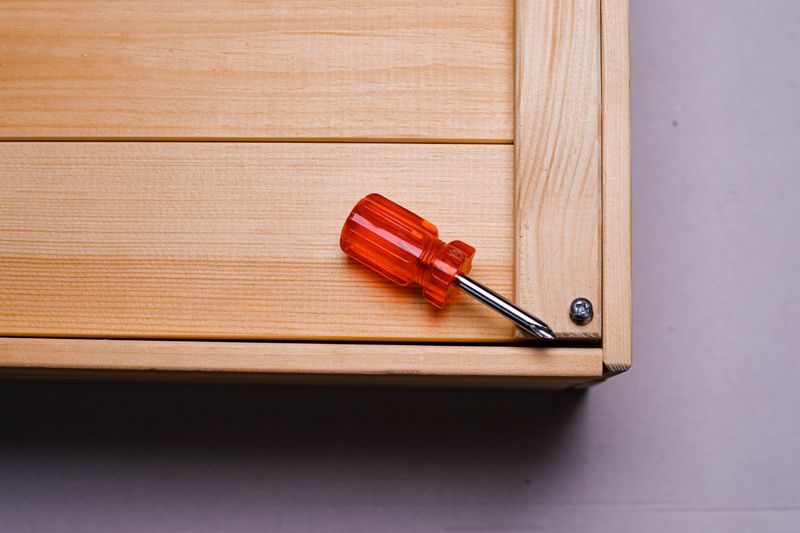
Include a torch, a roll of tape, scissors, a screwdriver and a pen, because all five get needed within the first hour. Keep documents, keys and anything valuable with you personally rather than in any box on any van. The box goes in the vehicle last so it comes out first, which is the entire mechanism and the part people reverse.
Labelling that survives the day
Write the destination room on the box rather than the room it came from, since the person carrying it needs to know where it is going. Label the top and at least one side, because stacked boxes hide their tops and you will be reading a wall of sides. Add one line describing the contents in general terms, which is enough to find the one box you need without opening six.
Mark fragile boxes on every face and load them last on top rather than sensibly at the bottom of a stack. Number the boxes and keep a rough count, which is how you discover on the day rather than a week later that one is missing.
Packing so things arrive intact
Heavy items go in small boxes and light items in large ones, which is the opposite of what everybody does by instinct. Fill every void, because the damage in transit comes from movement inside a box rather than from the weight of the box above.
Plates travel on edge like records rather than stacked flat, since a vertical plate resists the shock that cracks a horizontal one. Keep screws and fixings from dismantled furniture in labelled bags taped to the item itself rather than in a communal bag. Wrap anything with a liquid in it inside a sealed bag, because a leaked bottle in a box of clothes ruins the whole box.
Appliances and services
Photograph the back of the television, the router and anything else with more than two cables before you unplug it. Drain and secure a washing machine according to its manual, since most need transit bolts refitted to protect the drum.
In a small flat, defrost a fridge or freezer a day ahead and transport it upright, then let it stand before switching it on again. Take final meter readings at the old address and opening readings at the new one, and photograph both.
Arrange internet ahead of the move, because activation frequently takes longer than everything else about moving in.
The day itself
Book the lift in a block if one exists, and check parking restrictions at both ends, since a ticket is a common and avoidable cost. Feed whoever is helping and start earlier than feels necessary, because every stage takes longer than the estimate. Do one walk-through of the old place after it looks empty, checking cupboards, the loft hatch, behind doors and under the sink.
Once the deposit is down, take your inventory photographs at the new place before boxes go in, since an empty flat photographs the condition far better. Then stop, unpack the first-night box only, and leave the rest until you have slept.
Leave gas, mains electrics and anything behind a wall to someone qualified and insured.
The first week after
Unpack the kitchen and the bedroom fully before touching anything else, because those two rooms determine whether the flat functions. Leave one box of genuinely unsorted items and revisit it in a month, at which point most of it turns out to be disposable. Update your address with the bank, employer, licensing authority and any subscription, and do it in one sitting with a list.
Once the deposit is down, break down and dispose of packing materials promptly, since a hallway of flat cardboard is how a new flat starts feeling chaotic. Note anything broken or missing straight away, because insurance and removal firm claims almost always have short reporting windows.
The takeaway
Pack the box you will need first, load it last, and open nothing else until morning.
A home that works is a set of small systems, not one big clean.
Questions readers ask
Is professional packing worth paying for?
For a small flat rarely, since the cost is mostly labour you can supply. It becomes worthwhile when there is a lot of fragile material or a hard deadline on handover.
How many boxes does one person need?
Fewer than you fear and more than you buy first time. Get the boxes in two batches so the second batch matches what you actually own.
Also by Nusrat Jan
- Furnish a Flat in the Order You Actually Use ItYour First Place
- Cooking for One Is a Shopping Problem Before It Is a Cooking ProblemCooking for One
- Batch Cooking Without Eating the Same Dinner Five Nights RunningCooking for One
- Reheating Leftovers So They Are Safe and Still Worth EatingCooking for One