Cooking for One
Reheating Leftovers So They Are Safe and Still Worth Eating
Two separate problems share one step. One is bacteria and the other is the fact that most reheated food is either lukewarm in the middle or destroyed at the edges.

There is a settled way of talking about reheating leftovers. It is worth asking how much of it survives contact with the detail.
The argument in brief
- Food must be hot all the way through, not hot on the outside.
- Reheating once is the standard advice in most national guidance.
- Microwaves heat unevenly, which is why stirring and standing time are part of the instruction.
What reheating is actually for
Reheating serves a safety purpose as well as a culinary one, since anything that has been stored has had time for growth to occur. The standard guidance is to reheat until the food is steaming hot throughout, and most agencies attach a specific temperature and hold time.
Throughout is the operative word, because the cold centre of a dish is exactly the part that has not been treated. Reheating once rather than repeatedly is the near-universal recommendation, since each cycle takes the food through the growth range again. The precise figures differ between countries, so use the ones published by your own national food safety agency rather than a general number.
Why microwaves need stirring
A microwave heats by exciting water molecules, and it does so unevenly because of standing waves inside the cavity and the shape of the food. This produces hot spots and cold spots rather than a uniform temperature, which is why the instruction always says to stir partway through. Standing time after heating lets heat conduct from the hot regions into the cold ones, which is part of the process and not an afterthought.
In a small flat, a turntable helps by moving the food through the field, and it does not eliminate the problem on a dense or uneven dish. Spread food in an even layer with a well in the middle rather than a mound, and cover it so it steams rather than dries.
Reheating on the hob and in the oven
A pan on the hob gives you control and demands attention, since the bottom heats first and anything sitting there will catch. Add a small amount of liquid to a sauce or stew, keep the heat moderate and stir regularly until it is steaming throughout. The oven suits large or layered items, and it dries food out unless covered, so a lid or foil is usually the right call.
Whichever method, judge doneness by the centre of the thickest part rather than by whether the surface is bubbling. A cheap probe thermometer removes all guesswork, and it is the one piece of kit that turns advice into something checkable.
The foods that need particular care
Rice and cooked grains carry a specific risk from spore-forming bacteria, so keep them cold, keep them briefly and reheat them once only. Poultry, minced meat and anything with a large surface area are held to stricter standards during initial cooking for the same reasons. Shellfish and fish deteriorate quickly and are often better eaten cold the next day than reheated at all.
By the second month, dishes with eggs or cream can split or curdle on reheating, which is a quality problem and sometimes a sign of overheating.
Anything you are unsure about is not worth the gamble, since the cost of throwing away one portion is trivially small.
Making reheated food taste like food
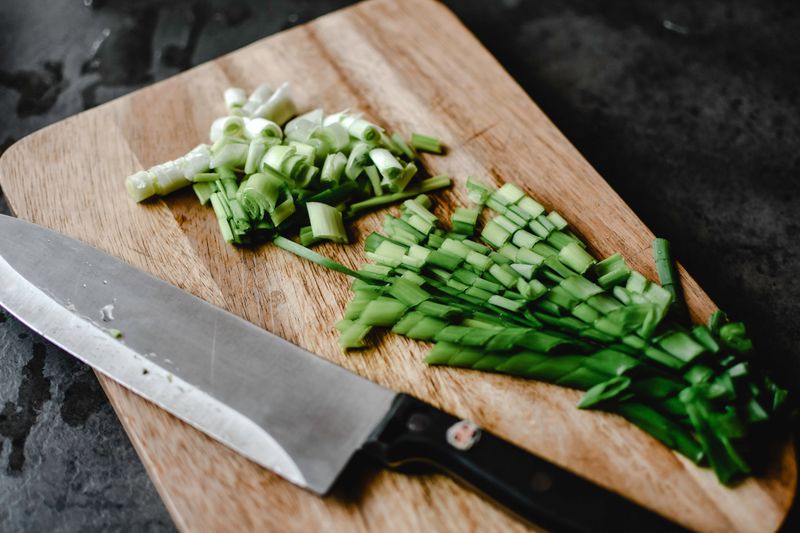
Most reheated dishes lose moisture and aroma, so adding a little liquid and a fresh element at the end restores a lot. Something raw and sharp, whether herbs, lemon, spring onion or pickle, cuts through the flatness that reheated food develops.
Anything that was crisp will not be crisp again in a microwave, and a hot pan or oven can restore some of it. Reheat a component and dress it fresh rather than reheating a fully assembled plate, which is why batching components works better. Season again after reheating, because perceived saltiness and aroma both drop after a night in the fridge.
A routine you resent is a routine you will have abandoned by the third week.
Leftovers as a system
Decide at the moment of cooking whether a portion is for tomorrow or for the freezer, because the storage differs and so does the timeline. Cooked leftovers have a short fridge life measured in days rather than weeks, and your national guidance gives the number. Keep them in clear containers at eye level, since leftovers that go to the back of the fridge are leftovers that get thrown away.
Once the deposit is down, take out only the portion you will eat, so the rest is never warmed and returned to the fridge. A flat where leftovers reliably get eaten wastes far less money than one where they are made with good intentions and forgotten.
The takeaway
Steaming hot all the way through, once, and check the number your own food safety agency actually publishes.
A home that works is a set of small systems, not one big clean.
Questions readers ask
Can I reheat something twice?
The standard advice in most countries is once only, because every cycle through warm temperatures allows further growth. Portion before storing so you never need to reheat the same food twice.
Is it safe to eat leftovers cold?
Yes, if they were cooled and stored correctly and are within their fridge window, which is how most cold cooked meats and salads are eaten. Cold does not mean untreated, but it does mean the storage has to have been right.
Also by Nusrat Jan
- Furnish a Flat in the Order You Actually Use ItYour First Place
- The First-Night Box and Why It Gets Loaded LastYour First Place
- Cooking for One Is a Shopping Problem Before It Is a Cooking ProblemCooking for One
- Batch Cooking Without Eating the Same Dinner Five Nights RunningCooking for One