Your First Place
Furnish a Flat in the Order You Actually Use It
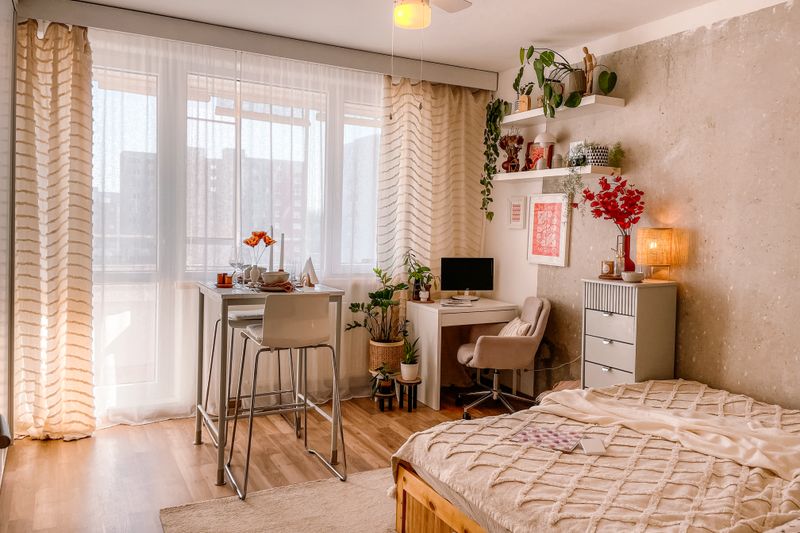
The instinct is to buy a sofa first because a sofa is the thing that makes a room look finished. Sleep, storage and light come first, and the room can look unfinished for a month.
This is written to be used rather than admired. Each section below is a decision about furnishing a first flat, and each one has a default.
Before you start
- A bed, somewhere to put clothes and decent light cover most of the first month's real needs.
- Buying in stages lets you learn the flat before committing money to it.
- Storage bought before you know what you own is almost always the wrong storage.
Sleep is the only genuine emergency
You will spend more hours on the bed than on every other item combined, and poor sleep degrades everything else within a week. A mattress on a decent base is the one item where paying more reliably buys something you can feel every single night.
Buy the mattress new even when everything else is used, because hygiene, unknown history and pest risk make second-hand mattresses a poor trade. Check the mattress fits up the stairs and round the turn before ordering, since a rolled mattress and a rigid one behave very differently. Two sets of bedding rather than one is a small extra cost that removes an entire category of laundry-day problems.
Somewhere to put things beats somewhere to sit
A flat with nowhere to put clothes ends up with clothes on every horizontal surface, and that state is remarkably hard to climb out of. A hanging rail and a chest of drawers cover almost everything a wardrobe would, at a fraction of the price and with no assembly nightmare.
By the second month, wait a few weeks before buying fitted storage, because you cannot know which cupboard you need until you know how you move around the flat. Under-bed boxes turn dead volume into the storage a small flat is otherwise missing, and they cost almost nothing. Storage bought speculatively tends to become the thing that needs storing, which is the quiet failure mode of a first flat.
Light changes a room more than furniture does
A single ceiling fitting lights a room flatly and unkindly, which is why rented rooms so often feel institutional in the evening. Two or three lamps at different heights let you light the part of the room you are using and leave the rest alone. Warmer colour temperatures suit living rooms and bedrooms, while a cooler brighter light near a worktop or desk makes tasks easier.
Lamps are cheap second-hand, travel well between flats and are among the few things that make a rented room feel deliberate. Only use lamps and bulbs that are intact and correctly rated, and stop using any fitting with damaged flex rather than taping it.
The kitchen and bathroom minimum
A kettle or pan for hot drinks, one good knife, a board, two pans and a baking tray cook most of what one person eats. One set of crockery for four rather than for one costs little more and means you are not washing up before every meal. A drying rack matters more than a full set of tea towels, since dishes left to drain get put away and dishes on a towel do not.
In the bathroom, a bin, a bath mat and somewhere to hang towels prevent most of the damp problems a new tenant creates.
Everything else in these two rooms can wait until a specific missing thing has annoyed you at least twice.
What to buy last and why
A sofa is expensive, awkward to move and highly dependent on the room, which makes it the worst possible first purchase. Live with a cheap chair for a month and you will know exactly where the light falls and how the room is actually used. Rugs, art and anything decorative are the last stage, and they are also where second-hand and inherited items work best.
The version that survives a bad week: delaying the large items also spreads the spending across pay cycles rather than concentrating it in the most expensive month of the year. A room that is under-furnished looks calm, while a room furnished in a panic looks like a room furnished in a panic.
Leave gas, mains electrics and anything behind a wall to someone qualified and insured.
Buying without regret
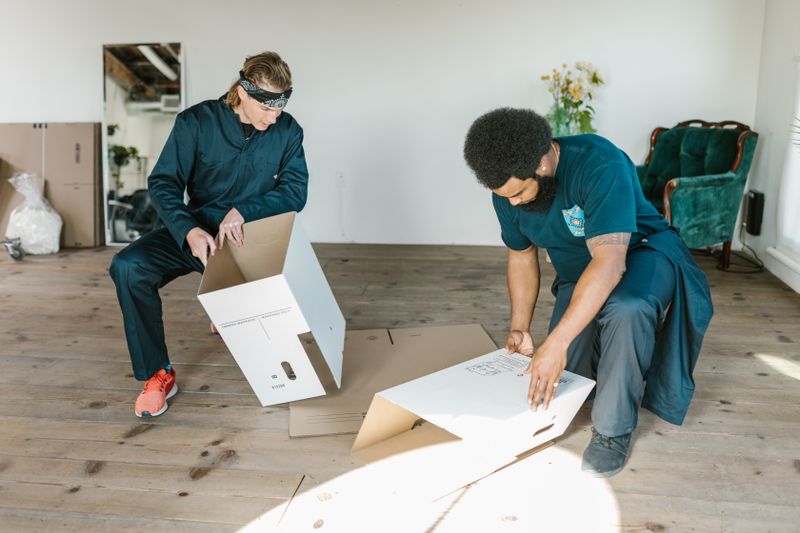
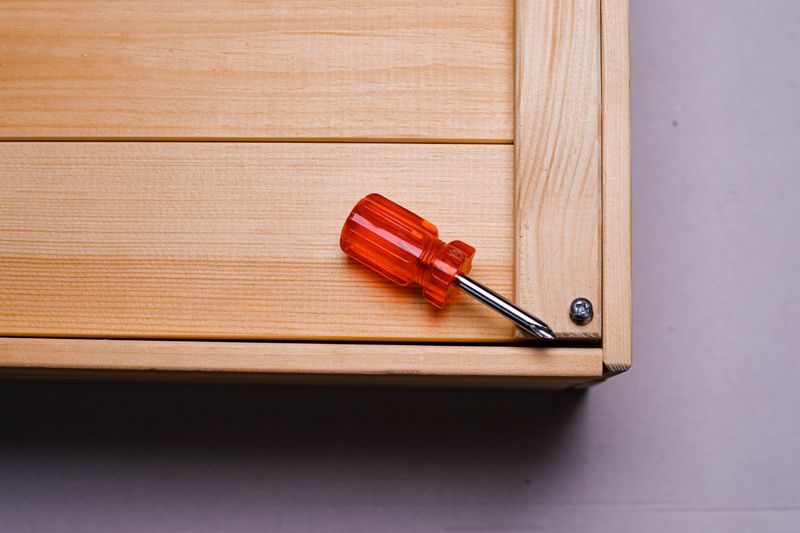
Measure the doorway, the turn on the stairs and the lift before ordering anything large, because delivery is the failure point people forget. Check whether flat-pack items can be dismantled and reassembled, since some fixings lose most of their grip the second time round.
Prefer items that survive a move if you expect to move again within two years, which for most first tenancies is realistic. Buy the boring consumables in one trip rather than in six, because six separate small trips cost more in delivery and in evenings. Keep a running list on your phone of things you reached for and did not have, then buy from that list rather than from a shop.
The takeaway
Buy the bed properly, buy the lamps early and let the living room look unfinished for a month.
Do the ten-minute version tonight rather than the proper version never.
Questions readers ask
Is second-hand furniture a false economy?
Rarely, if you avoid upholstered items with an unknown history and check that solid pieces are actually solid. Second-hand is usually better made than new furniture at the same price.
How much should the first month cost?
There is no honest universal figure, and any number quoted would be wrong for your city. Budget by category instead: sleep, storage, light, cooking, then everything else.
Also by Nusrat Jan
- The First-Night Box and Why It Gets Loaded LastYour First Place
- Cooking for One Is a Shopping Problem Before It Is a Cooking ProblemCooking for One
- Batch Cooking Without Eating the Same Dinner Five Nights RunningCooking for One
- Reheating Leftovers So They Are Safe and Still Worth EatingCooking for One