Cooking for One
The Difference Between a Simmer and a Boil
Boiling and simmering sit only a few degrees apart but agitate food very differently, which is why one tenderises meat and the other toughens it.
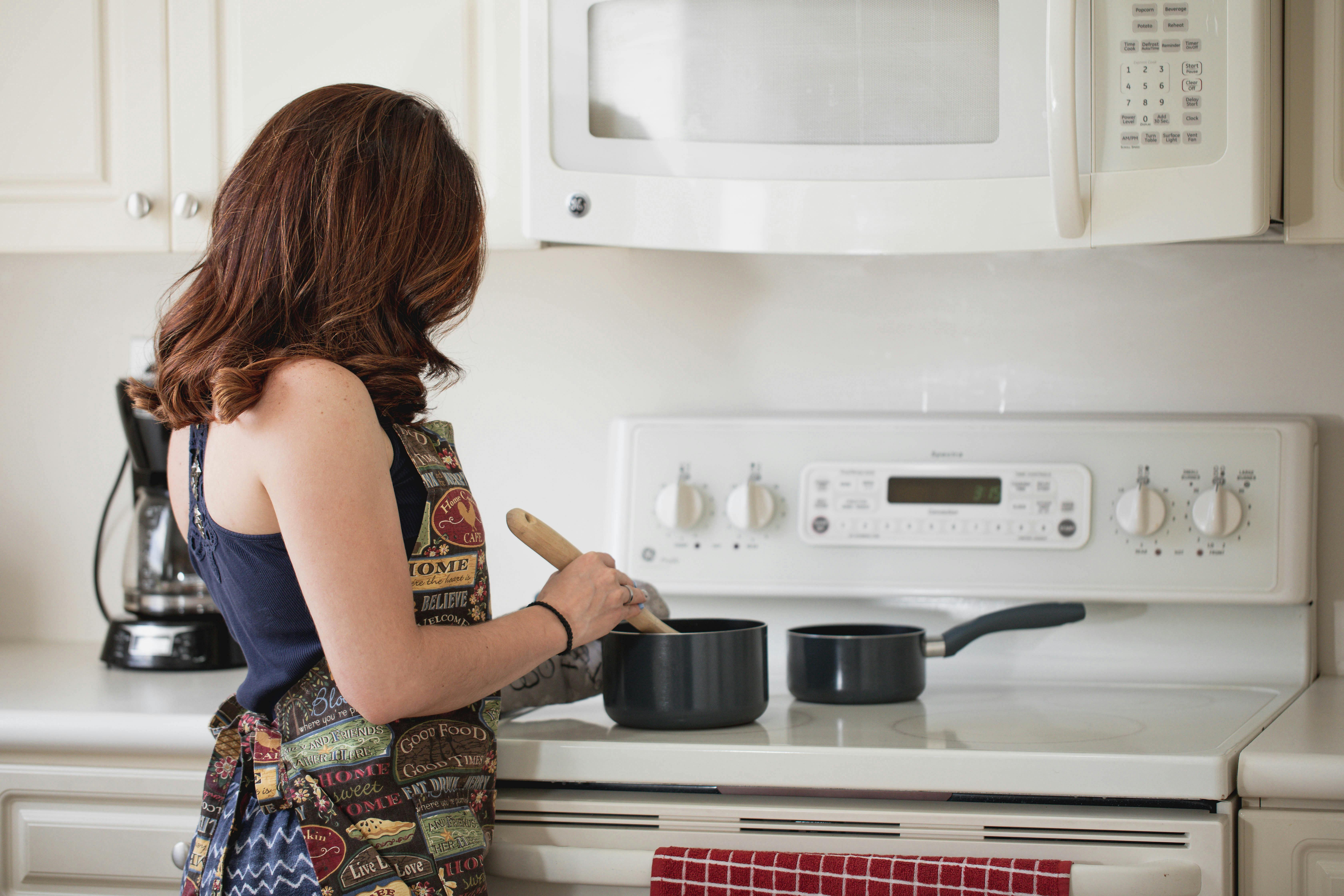
A simmer and a boil are separated by a small temperature difference and a very large difference in what happens to the food. The mechanism is agitation rather than heat.
Both are capped at the same ceiling
Water cannot get meaningfully hotter than its boiling point at normal pressure. Extra heat from the hob goes into converting water to steam rather than raising the temperature.
This means a violently boiling pan is not much hotter than a gently simmering one. Turning the dial up produces more steam and more noise, not more cooking heat.
What changes is movement. A rolling boil throws the contents around constantly, while a simmer moves them slowly and only near the base.
Agitation is what damages delicate food
Fish, eggs and dumplings break apart in a hard boil because the physical movement tears them, not because the temperature is wrong. The same food holds together in a simmer.
Meat behaves differently again. Muscle fibres contract and squeeze out moisture as they heat, and the constant motion of a boil helps that liquid leave.
The result is meat that is both dry and stringy. It has been cooked at the right temperature but handled far too roughly while it got there.
Slow cooking needs time above all else
Tough cuts become tender because collagen converts into gelatine, and that conversion takes hours of gentle heat rather than aggressive heat for a shorter period.
A boil does not speed this up, because the temperature is already at the ceiling. It only accelerates moisture loss and reduces the liquid faster than the recipe expects.
A simmer maintained for two hours produces a completely different texture to a boil maintained for one, using the same cut and the same pot.
Reading the surface
A simmer shows a few bubbles breaking at the surface, usually rising from one or two spots near the hottest part of the base, with the liquid barely moving.
A boil covers the surface in bubbles and moves the whole volume of liquid. Anything in the pot is visibly circulating rather than sitting still.
Between them sits a gentle boil, where bubbles are continuous but the liquid is not thrashing. Most recipes that say boil actually want this rather than the full rolling version.
Where a hard boil is the correct choice
Pasta needs the movement. A rolling boil keeps the pieces separated and prevents them settling and sticking to each other or to the base of the pan.
Reducing a sauce also benefits, because the aim is to evaporate water as quickly as possible and there is nothing fragile in the pan to damage.
Everything else, from poached eggs to a pot of beans to a stew, wants the quieter setting, and the most common single fault in home cooking is a pan left too high.
Questions readers ask
How much should a store cupboard cost to set up?
It is built over several shops rather than in one, which spreads the cost and stops you buying things you will not use. Add two or three items each time rather than attempting the whole list at once.
Are dried pulses worth it over tinned?
They are cheaper per portion and better in texture, and they need soaking and long cooking. For one person the practical answer is often to cook a large batch of dried ones and freeze them in portions.
Also by Nusrat Jan
- Furnish a Flat in the Order You Actually Use ItYour First Place
- The First-Night Box and Why It Gets Loaded LastYour First Place
- Cooking for One Is a Shopping Problem Before It Is a Cooking ProblemCooking for One
- Batch Cooking Without Eating the Same Dinner Five Nights RunningCooking for One