Cooking for One
One Pan, One Board and Fifteen Minutes
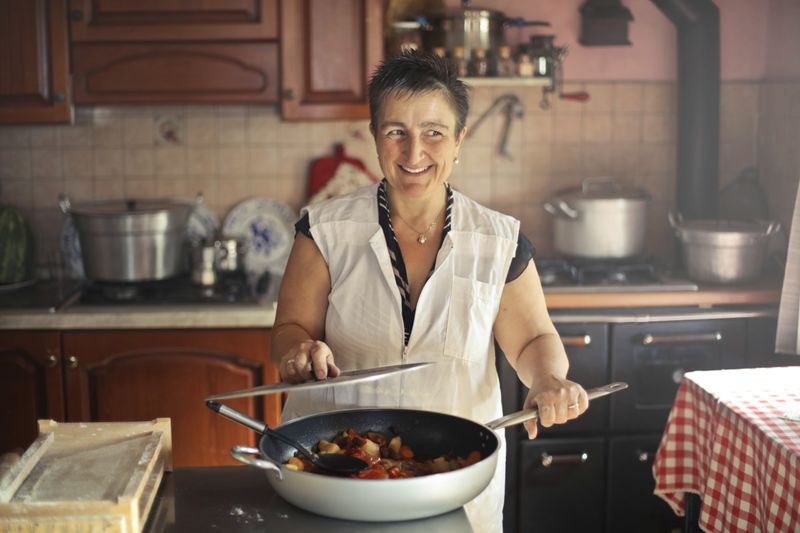
Most weeknight cooking fails on the same two points: the pan is not hot enough and there is too much in it. Both are fixable and neither costs anything.
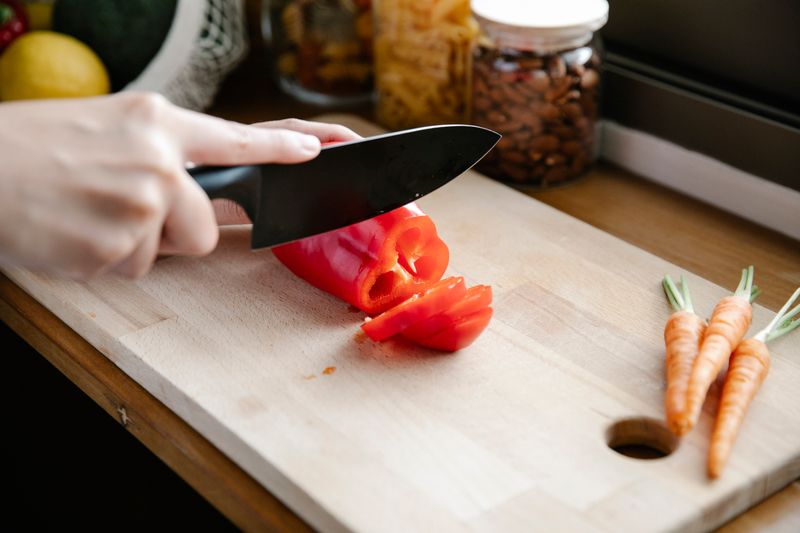
This works through fast weeknight cooking in the order the parts actually depend on each other.
The short version
- Food browns only once the surface water has evaporated, which is why a crowded pan steams.
- Prep everything before the pan goes on, because the pan will not wait.
- A hot pan and a dry surface do more for flavour than any additional ingredient.
Why a crowded pan steams
Food gives up water as it heats, and that water has to leave the pan as vapour before the surface can get hot enough to brown. A pan packed with ingredients releases more water than it can evaporate, so the contents sit in liquid and grey rather than colour. Cooking in two batches takes about four extra minutes and produces a completely different result from one crowded batch.
A larger pan solves the same problem, which is why the frying pan you use for one person is often too small for one person's dinner. This single point explains most of the gap between food cooked at home and the same dish cooked in a restaurant kitchen.
Heat, and why patience at the start saves time later
A pan needs a minute or two to reach an even temperature, and putting food into a pan that is merely warm guarantees sticking. The browning reactions that produce savoury flavour only happen above a certain surface temperature, well above the boiling point of water. Patting meat, fish or tofu dry before it hits the pan removes the surface water that would otherwise have to boil off first.
Once the food is in, leave it alone, since moving it constantly prevents contact long enough for any crust to form. The food releases from the pan when the crust has formed, which is why something stuck is usually something not yet ready to turn.
The order of operations
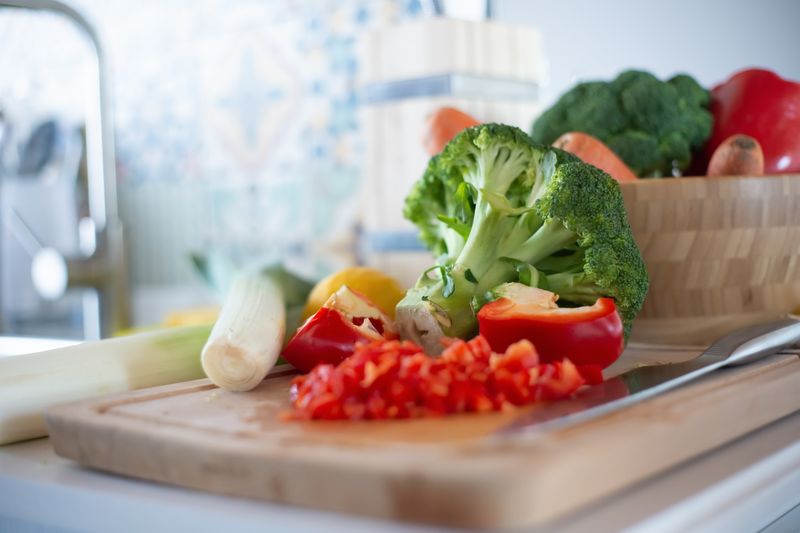
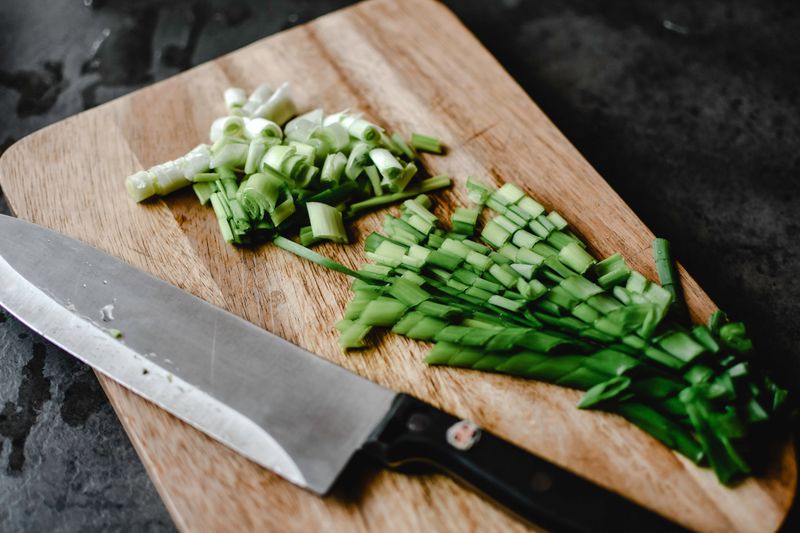
Prepare everything before the heat goes on, because once a pan is hot there is no time to chop an onion. Start with whatever takes longest and add ingredients in descending order of cooking time, which is the whole logic of a stir fry. Aromatics such as garlic burn in under a minute, so they go in late rather than at the start with the onion.
Anything green and quick goes in at the very end, and anything acidic goes in after the heat is off unless the dish wants it cooked. Boil the water for a starch before you start anything else, since that is usually the longest single wait in the process.
Seasoning while cooking rather than after
Salt added during cooking penetrates and changes the food, while salt added at the table sits on the surface and only hits the tongue. Season in stages and taste as you go, which is the habit that separates people who cook well from people who follow recipes.
A splash of acid at the end lifts a dish that tastes heavy or flat, and it is the most commonly missing element in home cooking. Fat carries flavour compounds that water does not, so a spoonful of good oil or butter at the end changes the whole dish.
Fresh herbs added off the heat keep their aroma, whereas the same herbs cooked for ten minutes contribute almost nothing.
The fifteen-minute repertoire
Something in a pan with something starchy is the general shape, and the variation comes from what goes on top at the end. Eggs cook in under five minutes and go with almost anything, which makes them the most reliable emergency protein in the flat.
Anything tinned that is already cooked, from pulses to fish, removes the longest step entirely. Frozen vegetables go straight into the pan or the pot without any preparation, and they are ready in the time the starch takes. Four dishes you can cook without thinking is enough, because the rest of the week is batches, leftovers and the occasional proper cook.
Buy the cheap version first; a month of use tells you whether it deserved better.
Cleaning as part of the cooking
Fill the pan with hot water the moment it comes off the heat, since burnt residue lifts easily while warm and becomes a job when cold. Wash the board and knife while something simmers, which converts dead time into the entire washing up. Use one board for raw meat and another for everything else, and wash the raw one immediately rather than putting it in a stack.
On a Sunday evening, a cooking session that ends with a clean kitchen is a session you will repeat, and one that ends in a pile is not. The five minutes of cleaning during cooking is the same five minutes afterwards, except that afterwards you no longer want to spend it.
The takeaway
Hot pan, dry food, not too much of it, and everything chopped before the heat goes on.
A home that works is a set of small systems, not one big clean.
Questions readers ask
Is a non-stick pan a shortcut?
It genuinely helps with eggs and delicate fish and it discourages the high heat that produces browning. Most kitchens work best with one non-stick pan and one uncoated one.
How do I stop everything sticking?
Heat the pan properly first, add the fat, then add food that is dry on the surface and leave it alone. Sticking is usually a temperature problem or an impatience problem rather than a pan problem.
Also by Zubin Wadia
- The Viewing Questions That Tell You More Than the PhotographsYour First Place
- What a Landlord Repairs and What Falls to YouYour First Place
- The Three Things You Only Notice After You Move InYour First Place
- Cooling Cooked Food Is the Step Almost Everyone SkipsCooking for One