Cooking for One
Buying Meat and Fish in Portions You Will Actually Use
Fresh protein is sold in family quantities and spoils within days, so a single household wastes money unless it splits packs at the point of purchase.
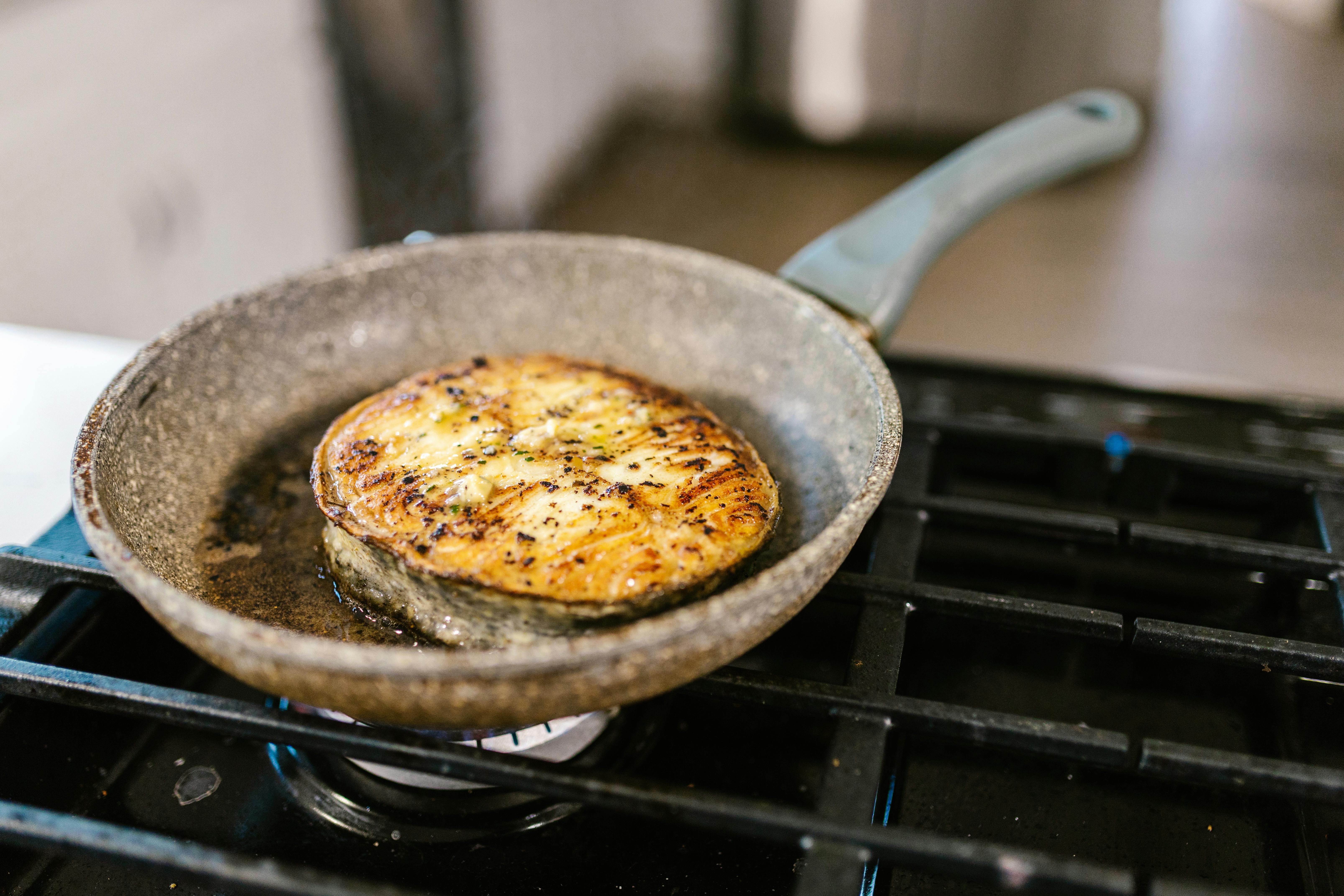
Meat and fish are the most expensive things in a single person's basket and the most frequently thrown away. The reason is the mismatch between pack size and how one person eats.
Packs are sized for households, not people
Supermarket protein is largely packed for two to four servings, because that is where the volume of sales sits. A pack sized for one is a niche product and usually priced accordingly.
The per-kilo price on the small pack is often noticeably higher. Buying it repeatedly is an expensive habit, but buying the large pack and binning half of it is worse.
The way out is to buy the larger pack for its better unit price and then divide it before it goes anywhere near the fridge. The saving survives only if the splitting happens.
Fresh protein has a short window
Chilled meat and fish carry a use-by date rather than a best-before, because the risk they present is bacterial rather than a matter of quality. That date is not advisory.
Once a pack is opened the clock runs faster still. Air, handling and the warmer temperature of a fridge door all accelerate what was already the shortest shelf life in the kitchen.
A single household simply cannot eat a four-portion pack inside that window without eating the same thing four nights running, which is why the pack ends up half-used and discarded.
Freeze on the day of purchase, not the day before it expires
Freezing stops spoilage but does not reverse it. Meat frozen on its final day thaws into the condition it was in when it went in, which is already poor.
Splitting a pack the moment you get home and freezing what you will not use in a day or two preserves the meat at its best rather than at its worst.
Wrap each portion separately and flat. A thin flat parcel freezes faster, thaws faster and stacks better than a lump, and it means you can take out exactly one portion.
Portion by meal, not by weight
Dividing a pack into equal weights is less useful than dividing it into the shapes you will cook. Two mince portions, four small fillets, or strips already cut for a stir fry.
Doing the preparation before freezing removes the step that usually derails a weeknight. A frozen portion that needs cutting and trimming is a portion you will not use.
Label the parcel with what it is and when it went in. Frozen meat becomes anonymous within weeks, and an unidentified block tends to stay in the drawer indefinitely.
The counter is often the cheaper option
A butcher or fish counter will sell you one portion, which removes the splitting problem entirely and often costs less than the small pre-packed equivalent.
You also get to specify the cut and thickness, which matters for cooking a single serving well. A thicker piece is more forgiving in a hot pan than a thin one.
The trade is time and opening hours against waste and unit price. For a single household the counter usually wins on total cost, because the portion that is not bought is not thrown away.
Questions readers ask
How much should a store cupboard cost to set up?
It is built over several shops rather than in one, which spreads the cost and stops you buying things you will not use. Add two or three items each time rather than attempting the whole list at once.
Are dried pulses worth it over tinned?
They are cheaper per portion and better in texture, and they need soaking and long cooking. For one person the practical answer is often to cook a large batch of dried ones and freeze them in portions.
Also by Nusrat Jan
- Furnish a Flat in the Order You Actually Use ItYour First Place
- The First-Night Box and Why It Gets Loaded LastYour First Place
- Cooking for One Is a Shopping Problem Before It Is a Cooking ProblemCooking for One
- Batch Cooking Without Eating the Same Dinner Five Nights RunningCooking for One