Cooking for One
A Toaster Oven Costs Less to Run Than the Oven
A full-size oven heats a large insulated cavity before it cooks anything, which for single portions wastes most of the energy and much of the time.
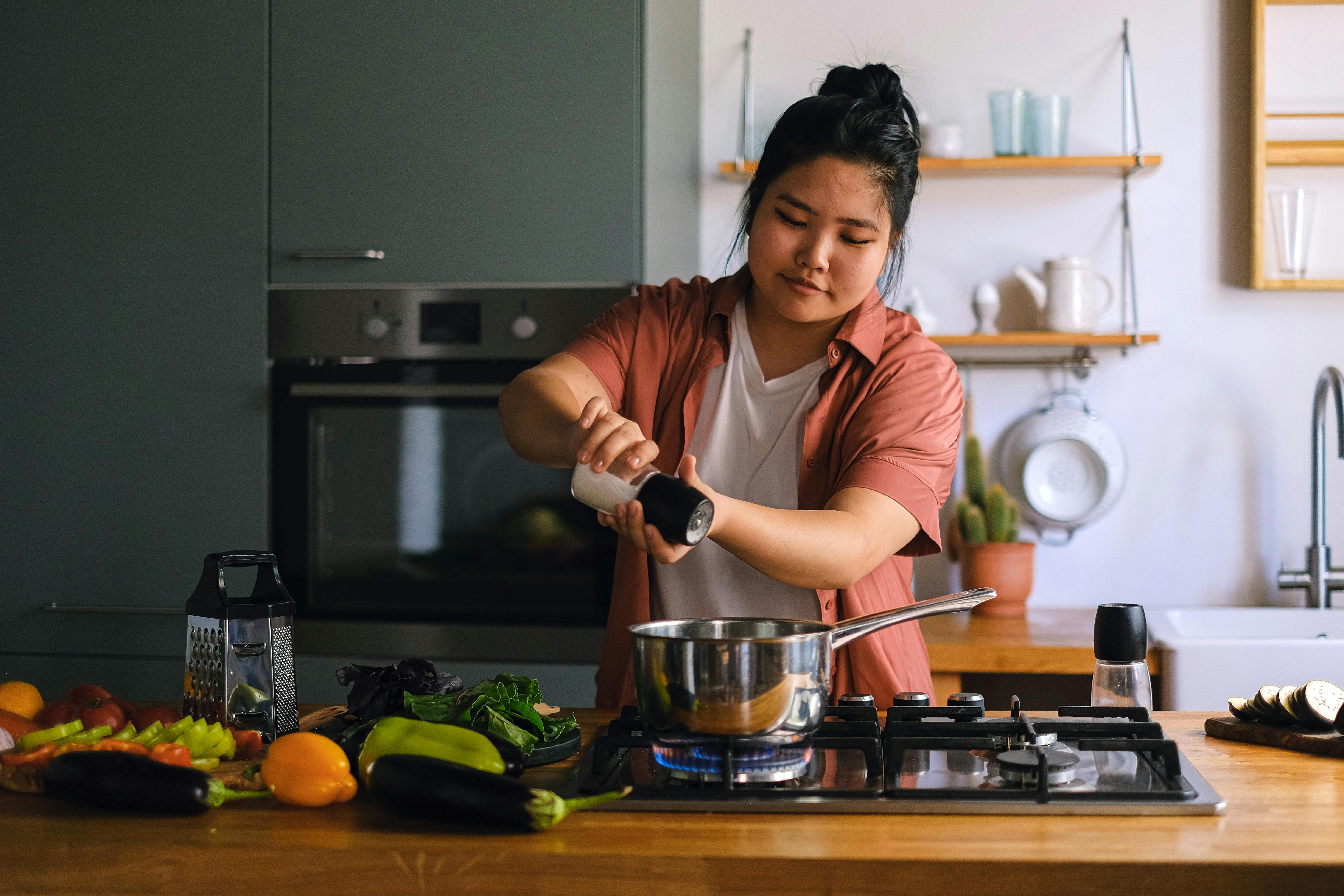
Cooking a single portion in a full-size oven means heating a cavity built for a holiday roast. A countertop oven does the same job on a fraction of the volume, and the difference shows up in both the electric bill and the wait.
Preheating is heating the box, not the food
An oven reaches temperature by warming the air, the walls, the racks and the door glass. All of that thermal mass has to rise before the food starts cooking properly.
A large cavity holds far more air and metal than a small one, so it takes substantially longer and draws power the whole time. The food itself is a trivial part of the load.
Shrink the cavity and the preheat shrinks with it. A countertop oven is often ready in a few minutes because there is much less to warm.
The heating elements sit closer to the food
In a small oven the elements are inches from the surface of what you are cooking, which browns the outside quickly and behaves more like a broiler than a conventional oven.
That proximity is why recipes written for a full-size oven can burn on top before the center is done. Lowering the temperature slightly, or moving the rack down, compensates.
For a single chicken thigh, a tray of vegetables or a piece of fish, that aggressive surface heat is an advantage rather than a problem.
The kitchen stays cooler
A full oven running for an hour warms the whole apartment, which is welcome in January and expensive in July when air conditioning has to remove that heat again.
A small oven leaks far less heat into the room. In a studio or a one-bedroom with a kitchen open to the living space, that difference is noticeable.
It also avoids the summer pattern of skipping cooked food entirely because the kitchen is unbearable, which is how a stretch of takeout starts.
What it does not replace
Volume is the limit. A countertop oven cooks one or two portions well and cannot handle batch cooking, a large tray or anything tall.
Baking that depends on even, stable heat is also harder, because a small cavity swings more in temperature as the element cycles on and off.
Used for what it is good at, it covers most weeknight cooking for one person and leaves the large oven for the occasions that actually need it.
Questions readers ask
How much should a store cupboard cost to set up?
It is built over several shops rather than in one, which spreads the cost and stops you buying things you will not use. Add two or three items each time rather than attempting the whole list at once.
Are dried pulses worth it over tinned?
They are cheaper per portion and better in texture, and they need soaking and long cooking. For one person the practical answer is often to cook a large batch of dried ones and freeze them in portions.
Also by Nusrat Jan
- Furnish a Flat in the Order You Actually Use ItYour First Place
- The First-Night Box and Why It Gets Loaded LastYour First Place
- Cooking for One Is a Shopping Problem Before It Is a Cooking ProblemCooking for One
- Batch Cooking Without Eating the Same Dinner Five Nights RunningCooking for One