
Fixing Things
Drywall Anchors Are Rated by Weight and by Wall
An anchor works by spreading load across more wall material than a screw can reach, and choosing one requires knowing both the weight and the wall construction.
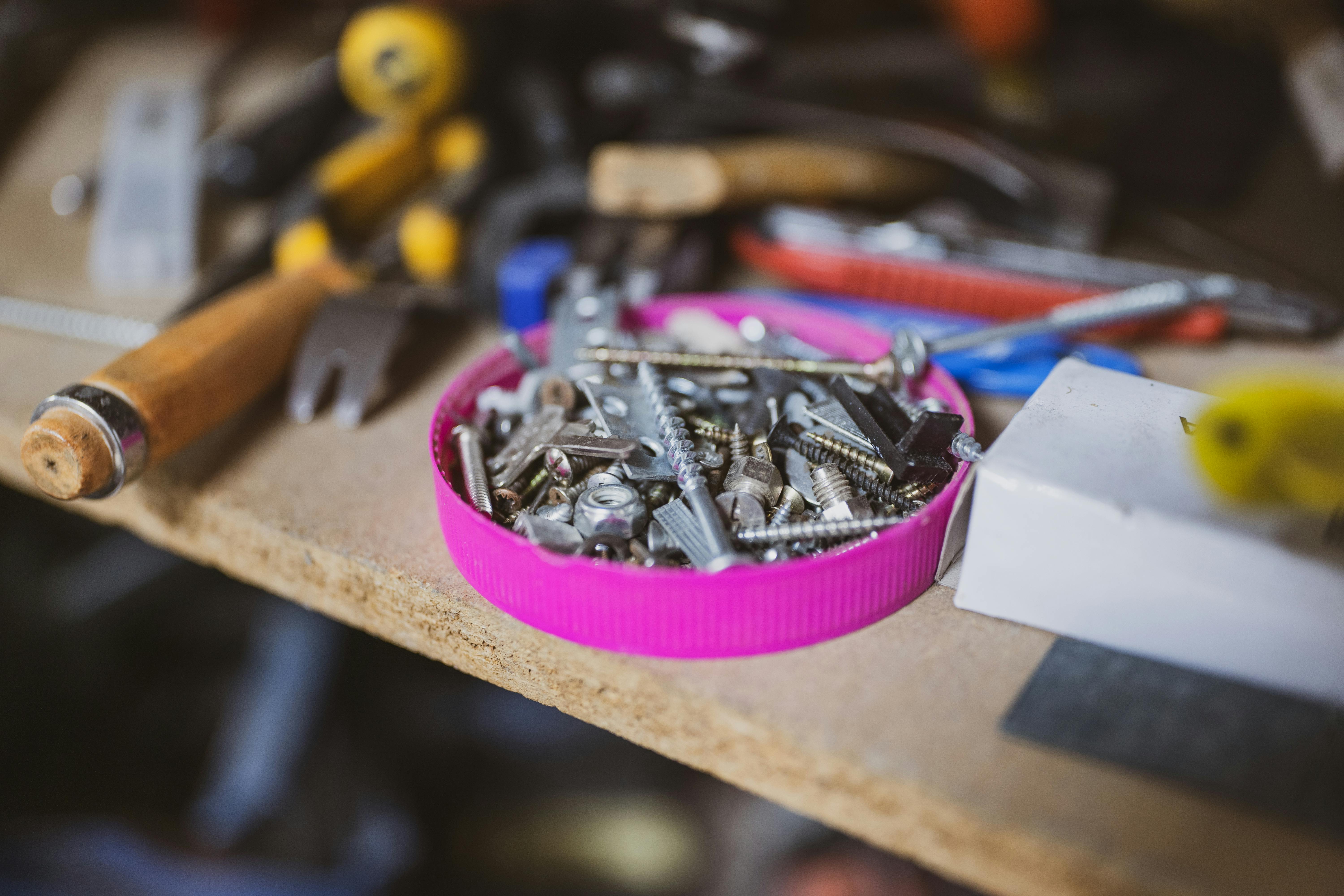
A screw driven into drywall alone holds almost nothing, because drywall is gypsum between paper and has very little grip. Anchors exist to distribute the load, and the type that works depends on what is behind the surface.
Load is transferred by area, not by grip
A screw in solid wood holds because threads bite into fiber along their whole length. Gypsum crumbles under the same threads, so the screw pulls out with minimal force.
An anchor spreads the load across a larger patch of the panel, either by expanding against the hole or by opening behind the sheet and bearing on its back face.
The rated capacity therefore describes the anchor and a particular wall thickness together. The same anchor in a thinner panel or a damaged hole holds considerably less.
The main types work in different ways
Plastic expansion anchors compress against the sides of the hole and suit light loads such as a picture or a small shelf. They rely entirely on friction in the gypsum.
Self-drilling threaded anchors, made of nylon or metal, cut a coarse thread into the panel and engage a much larger area. They hold moderate loads and install without a pilot hole.
Toggle bolts and their modern strap equivalents pass through the wall and open behind it, bearing on the back of the panel. These carry the heaviest loads drywall can support.
Shear and pull-out are separate ratings
Shear load acts straight down the face of the wall, as with a shelf bracket. Pull-out load acts outward, as with a coat hook that is tugged forward.
Most anchors handle shear far better than pull-out, and packaging often quotes the more flattering number. Anything that will be pulled away from the wall needs a larger margin.
A mounting that combines both, such as a wall-mounted television arm, is the case where finding a stud is worth the effort rather than trusting anchors.
Plaster and masonry change the answer entirely
Older buildings often have plaster over wood lath, which is harder and more brittle. Drywall anchors can crack it, and drilling requires a slow speed and no hammer action.
Concrete and brick walls, common in converted buildings, need masonry anchors and a hammer drill. A drywall anchor in masonry simply spins in the hole.
Tapping the wall tells you most of what you need. Drywall sounds hollow between studs, plaster sounds dense and dull, and masonry does not sound hollow anywhere.
Questions readers ask
Why does the drip get worse after I tightened the tap?
Because forcing a traditional tap closed crushes the washer and damages the seat it presses against. Tighten enough to close it and no more.
Can I fix a mixer tap the same way?
Often yes, since many mixers use the same washer or cartridge principle on each side. Sealed single-lever mixers vary considerably by manufacturer and may need a specific part.
Also by Zubin Wadia
- The Viewing Questions That Tell You More Than the PhotographsYour First Place
- What a Landlord Repairs and What Falls to YouYour First Place
- The Three Things You Only Notice After You Move InYour First Place
- Cooling Cooked Food Is the Step Almost Everyone SkipsCooking for One


