
Fixing Things
An Extractor Fan That Stopped Working Is Probably Clogged
Bathroom and kitchen fans lose most of their airflow to accumulated dust and grease long before the motor fails, and the symptom is a room that stays damp.
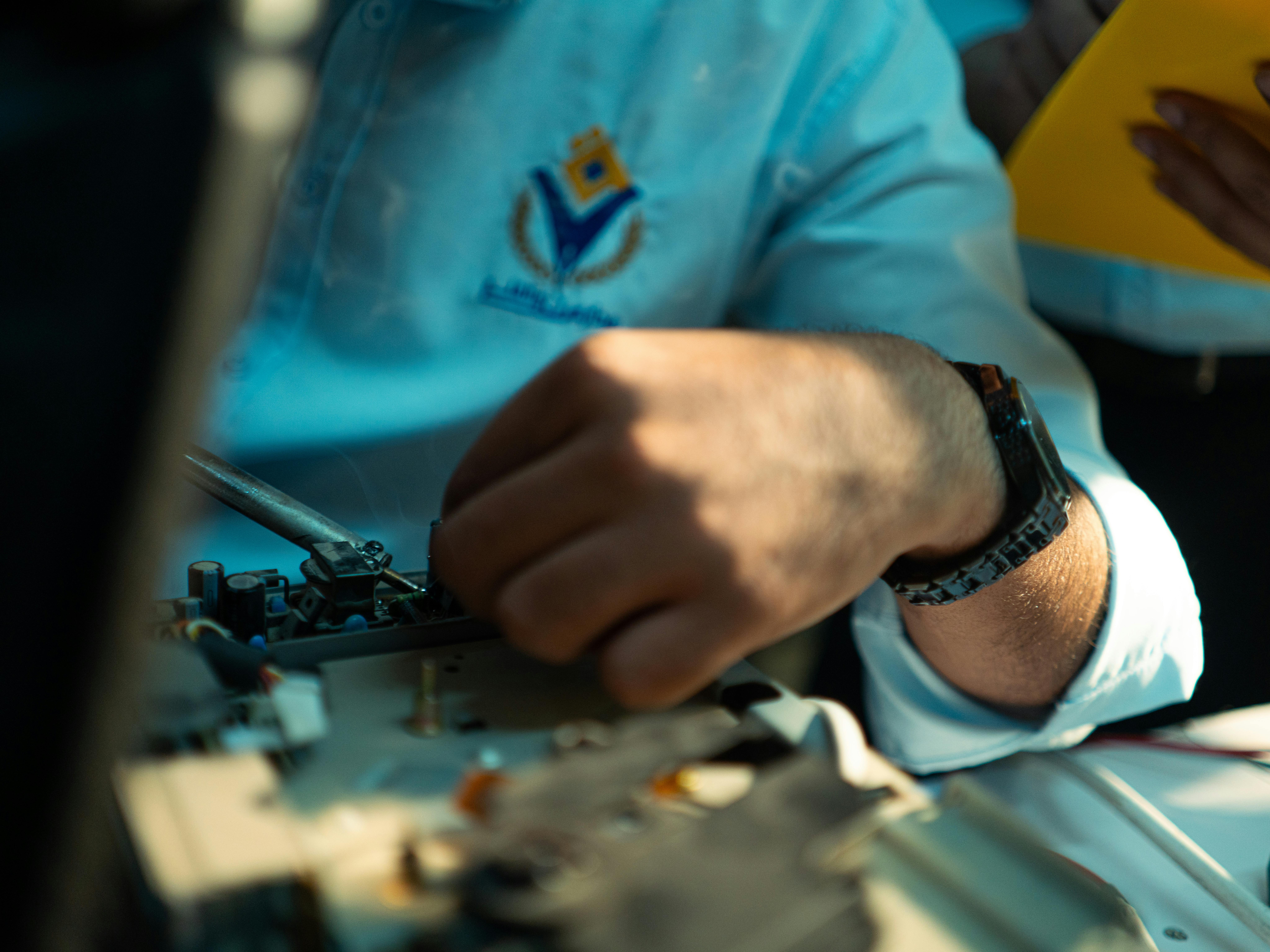
An extractor fan that still turns but no longer clears steam has not failed electrically. It has lost airflow, and the cause is almost always accumulation rather than a fault.
Airflow depends on a clear path
A fan moves air along a duct to the outside. Its rated performance assumes a short, straight, clear duct, and any obstruction reduces the volume moved sharply.
Dust settles on the blades and on the grille, and in a kitchen it combines with airborne grease into a film that thickens over months.
The blades themselves lose efficiency when coated, because the shape that moves air is altered by the deposit sitting on it.
The duct matters more than the fan
A long duct with several bends imposes resistance that the fan has to work against, and each bend costs more than the equivalent length of straight run.
Flexible ducting compressed or sagging between joists adds resistance again, since the corrugations disrupt airflow and any dip collects condensation.
An external grille blocked by leaves, paint or a nest stops the air leaving entirely, and the fan then simply recirculates within the duct.
Testing whether it is actually extracting
A sheet of thin paper held against the running fan should be held in place by suction. If it falls, the fan is turning without moving meaningful air.
Checking the outside grille while the fan runs is the other half of the test, since air must be visibly leaving the building.
A fan that passes the paper test but leaves the room steamy is undersized or running for too short a period rather than blocked.
Cleaning it safely
The circuit must be isolated first, and in a bathroom that often means the lighting circuit rather than a separate switch, since many fans are wired to the light.
The cover usually unclips, and both it and the blades can be washed. The motor itself must stay dry and should be brushed rather than wiped wet.
Doing this twice a year restores most of the lost performance and is the difference between a fan lasting a decade and one replaced in three years.
Run-on time is doing real work
Many fans continue for a period after the light is switched off, and that period is when most of the moisture is actually removed.
Cutting the run-on short, by isolating the circuit at the door, leaves the humidity in the room to condense on cold surfaces.
Leaving the door closed and the fan running after a shower is the habit that makes the fan effective, since an open door lets moist air into the rest of the flat faster than the fan can remove it.
Questions readers ask
Why does the drip get worse after I tightened the tap?
Because forcing a traditional tap closed crushes the washer and damages the seat it presses against. Tighten enough to close it and no more.
Can I fix a mixer tap the same way?
Often yes, since many mixers use the same washer or cartridge principle on each side. Sealed single-lever mixers vary considerably by manufacturer and may need a specific part.
Also by Zubin Wadia
- The Viewing Questions That Tell You More Than the PhotographsYour First Place
- What a Landlord Repairs and What Falls to YouYour First Place
- The Three Things You Only Notice After You Move InYour First Place
- Cooling Cooked Food Is the Step Almost Everyone SkipsCooking for One


