Laundry & Clothes
Moths Eat Protein Fibers, Not Cotton
Clothes moth larvae feed on keratin in wool, cashmere and silk, which is why damage concentrates in stored knitwear and why cleaning before storage matters more than any repellent.
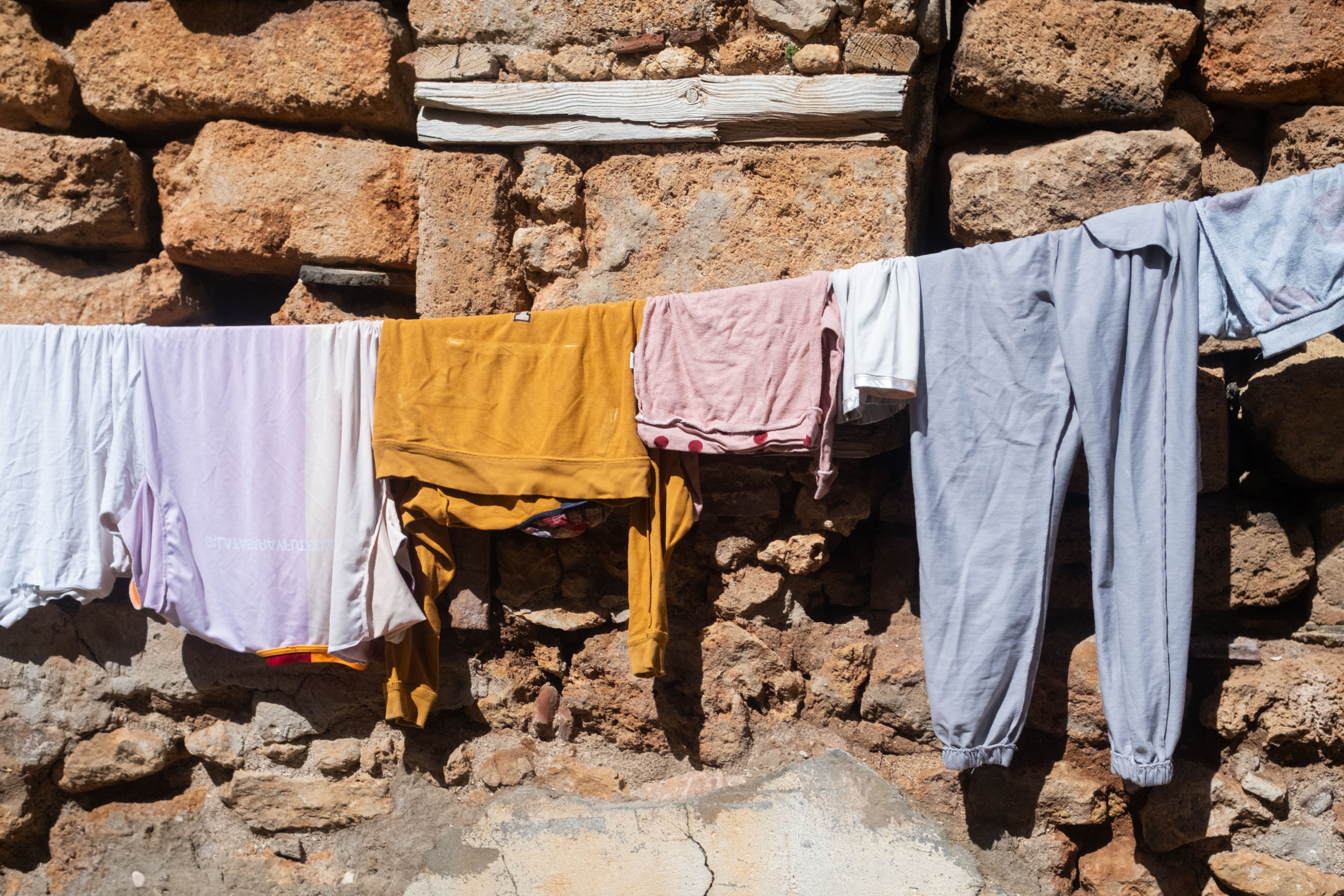
Holes that appear in a sweater over a summer in a closet are the work of larvae rather than adult moths, and they occur on a specific set of fabrics. Understanding what the larvae eat explains every effective countermeasure.
The food is keratin, not fabric in general
Clothes moth larvae digest keratin, the structural protein in animal hair. Wool, cashmere, alpaca, mohair and felt are all keratin, and silk and feathers are attacked for related proteins.
Cotton, linen and synthetics are not food. They are damaged only incidentally, usually where they are blended with wool or where a larva chews through to reach something underneath.
This is why a closet can lose two sweaters while the shirts beside them are untouched, and why the damage looks targeted rather than random.
Body soil makes a garment far more attractive
Larvae need moisture and additional nutrients that clean wool does not supply well. Sweat, skin oils and food residue provide both, which makes a worn garment a much better host than a clean one.
Damage therefore concentrates at underarms, collars and cuffs, and on items put away at the end of a season without being cleaned first.
Cleaning before storage is the single most effective measure available, and it works by removing the food supply rather than by repelling anything.
The adults you see are not the ones doing damage
Adult clothes moths have no functional feeding mouthparts. They exist to reproduce, and killing the one flying across a room does nothing about eggs already laid in a closet.
They avoid light and prefer still, dark, undisturbed spaces, which is exactly what the back of a closet or a storage box under a bed provides.
Disturbance itself is a deterrent. Clothing that is worn, moved and aired regularly rarely develops an infestation, which is why the problem is a storage problem.
Sealing and temperature are the reliable controls
Airtight containers exclude adults from laying and contain anything already present. Garment bags that are merely closed rather than sealed do considerably less.
Freezing an infested item for several days kills larvae and eggs, and it is the standard approach for something too delicate for hot washing.
Cedar and lavender have a repellent effect that diminishes as the aromatic oils fade, so they are a supplement to clean, sealed storage rather than a substitute for it.
Questions readers ask
Is it wasteful to run a half load?
Somewhat, since machines use less water on a half load but not proportionally less. Waiting for a full load is more efficient, provided you are not left without clean clothes.
How often should jeans be washed?
Far less often than most people assume, since washing is what fades and wears them. Airing between wears and spot cleaning handles most of it.
Also by Ritu Dhar
- Too Much Detergent Is Why Your Towels SmellLaundry & Clothes
- The Washing Machine Needs Washing TooLaundry & Clothes
- Ironing Is a Sequence, Not a SkillLaundry & Clothes
- Stains Come Out by Category, Not by Miracle SprayLaundry & Clothes