Laundry & Clothes
Hanging a Shirt Wet Saves You the Ironing
Creases set as fabric dries, so the shape a garment holds while drying determines how much ironing it needs afterwards, which makes hanging a timing decision.

Ironing removes creases that were set during drying. Controlling the shape a garment holds while it dries removes most of them before they form.
Creases are set by drying, not by washing
Fibres are flexible while wet and stiffen as water leaves them. Whatever shape the fabric is in at that moment becomes the shape it holds.
A shirt crumpled in a basket for an hour after the spin dries into that crumpled form, and the creases are then permanent until heat and moisture are reapplied.
This is why ironing works: the iron reintroduces heat and steam, softening the fibres enough to reset them flat. Avoiding the first setting removes the need for the second.
The window after the spin is short
Clothes begin drying as soon as they leave the drum, and a spun garment is already partly dry. The useful window for shaping is measured in minutes.
Unloading immediately is therefore the highest-value habit in the whole process, and it is worth more than any setting on the machine.
A load left overnight in the machine has both set its creases and started to smell, and the second problem requires rewashing rather than reshaping.
How the garment hangs matters
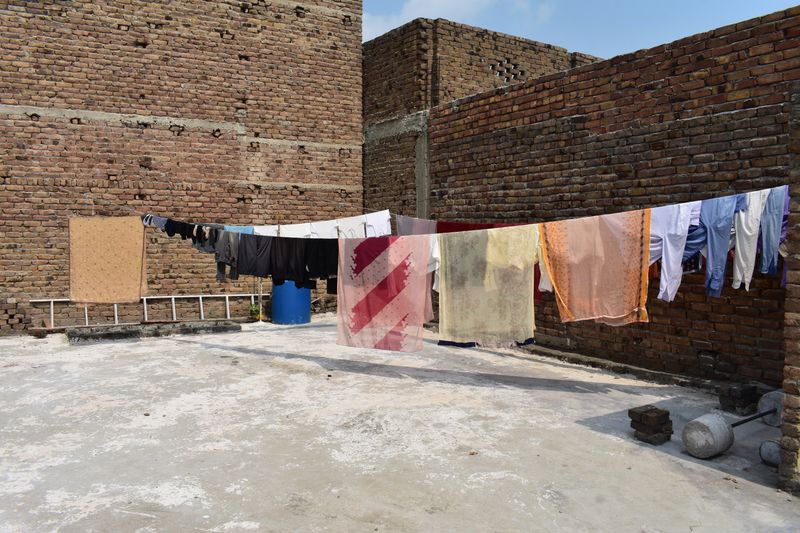
Shirts should go on a hanger with the collar turned up and the front partly buttoned, so the weight of the water pulls the body straight rather than sideways.
Trousers hung from the hem with the seams aligned dry with a straight leg, and the weight of the waistband does the work of a crease down the front.
Knitwear is the exception and should be dried flat. Hanging a wet jumper lets its own weight stretch it permanently, particularly at the shoulders.
Spin speed trades creasing against drying time
A high spin removes more water and shortens drying, but it also presses the fabric hard against the drum wall and sets creases in the process.
A lower spin leaves clothes wetter and heavier, which pulls them straighter as they hang and produces noticeably fewer creases in shirts and light fabrics.
The cost is drying time and, indoors, added humidity. Reserving the lower spin for the items you would otherwise iron balances the two.
Where ironing remains necessary
Linen and heavy cotton crease as they are worn rather than only as they dry, so shaping while wet reduces the work without eliminating it.
Collars, cuffs and plackets have several layers stitched together, and those layers dry at different rates. They almost always need a pass with an iron.
Everything else in a normal wardrobe can usually skip it entirely, which for one person is the difference between a weekly chore and an occasional one.
Questions readers ask
Is it wasteful to run a half load?
Somewhat, since machines use less water on a half load but not proportionally less. Waiting for a full load is more efficient, provided you are not left without clean clothes.
How often should jeans be washed?
Far less often than most people assume, since washing is what fades and wears them. Airing between wears and spot cleaning handles most of it.
Also by Ritu Dhar
- Too Much Detergent Is Why Your Towels SmellLaundry & Clothes
- The Washing Machine Needs Washing TooLaundry & Clothes
- Ironing Is a Sequence, Not a SkillLaundry & Clothes
- Stains Come Out by Category, Not by Miracle SprayLaundry & Clothes