Laundry & Clothes
Fabric Softener Does Less Than the Bottle Suggests
Softener works by coating fibres with a thin waxy layer, which improves feel and scent while reducing absorbency and building residue inside the machine.
Fabric softener changes how clothes feel by adding something to them rather than by removing anything. Understanding what it deposits explains where it helps and where it causes problems.
The mechanism is a coating
Softeners contain compounds that cling to fibres and lie flat along them, lubricating the surface so fibres slide past each other instead of catching.
That lubrication is what registers as softness. The fabric has not changed; the friction between its fibres has.
The same coating reduces static, because it holds a small amount of moisture and gives the charge somewhere to go rather than building up on synthetic fabric.
Absorbency is the direct casualty
A towel works by drawing water into its fibres. A coating that repels water is therefore working directly against the towel's purpose.
Towels washed with softener over months become progressively less absorbent, and the usual response is to buy new towels rather than to identify the cause.
The same applies to microfibre cloths, sportswear designed to move moisture away from skin, and cloth nappies. All rely on absorbency that the coating suppresses.
Residue accumulates in the machine
Softener is dispensed late in the cycle and is not rinsed away thoroughly, so some remains in the dispenser drawer, the door seal and the drain path.
That residue is a food source for the bacteria and mould that cause a machine to smell, and it is the most common single cause of the problem.
Cleaning the drawer and running an occasional hot maintenance wash addresses it, but using less softener addresses it more reliably.
Some fabrics should never see it
Anything flame-resistant, particularly children's nightwear, can have that property reduced by a coating. The garment label usually says so explicitly.
Waterproof and technical outerwear also suffers, because the coating interferes with the membrane that lets vapour out while keeping water off.
Wool and silk have natural softness already and do not need it, and the coating tends to flatten the loft that gives them their handle.
The alternatives that do the same job
Most stiffness in laundry is caused by detergent residue and hard water rather than by the fabric, so correcting the dose often removes the reason for softener entirely.
White vinegar in the rinse compartment neutralises alkaline residue and softens water, achieving much of the effect without leaving a coating.
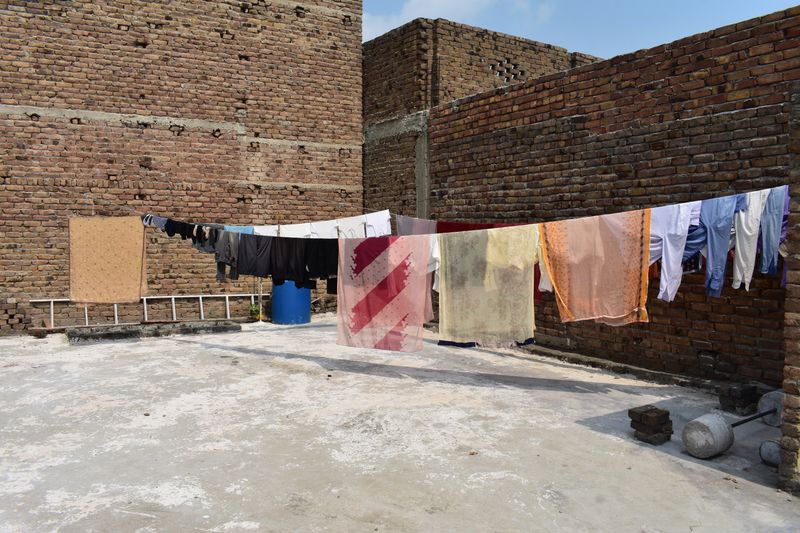
Drying method matters more than either. Line-dried laundry stiffens because still air lets fibres set; a short tumble or a shake before hanging solves it mechanically.
Questions readers ask
Is it wasteful to run a half load?
Somewhat, since machines use less water on a half load but not proportionally less. Waiting for a full load is more efficient, provided you are not left without clean clothes.
How often should jeans be washed?
Far less often than most people assume, since washing is what fades and wears them. Airing between wears and spot cleaning handles most of it.
Also by Ritu Dhar
- Too Much Detergent Is Why Your Towels SmellLaundry & Clothes
- The Washing Machine Needs Washing TooLaundry & Clothes
- Ironing Is a Sequence, Not a SkillLaundry & Clothes
- Stains Come Out by Category, Not by Miracle SprayLaundry & Clothes