Laundry & Clothes
Elastic Dies From Heat, Not From Wear
The stretch in waistbands and athletic clothing comes from elastane fibers that degrade with high temperature, which is why dryer heat ages them faster than daily use does.

A waistband that has gone slack or a pair of leggings that no longer holds its shape has usually not been worn out. The elastic component has been cooked, and the dryer is the most likely culprit.
Stretch comes from a separate fiber wrapped inside the yarn
Elastane, sold under several brand names, is a synthetic fiber that can extend several times its length and return. It is spun as a fine core with cotton or polyester wound around it.
A garment usually contains only a small percentage of it, but that small fraction supplies all of the recovery. The surrounding fibers provide the appearance and the hand.
When the elastane fails, the outer fibers remain intact, which is why a stretched-out garment still looks fine while behaving like a much larger one.
Heat breaks the polymer chains permanently
Elastane's stretch comes from long molecular chains that uncoil and recoil. Sustained high temperature breaks those chains, and once broken they do not reform.
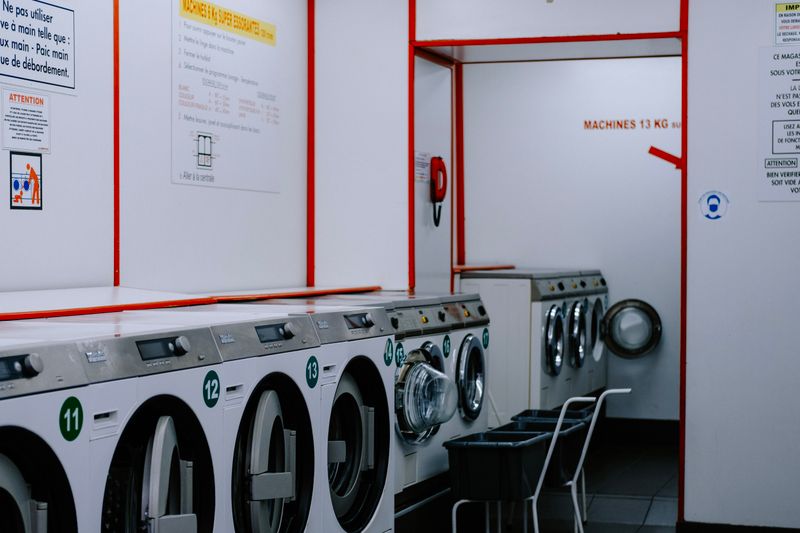
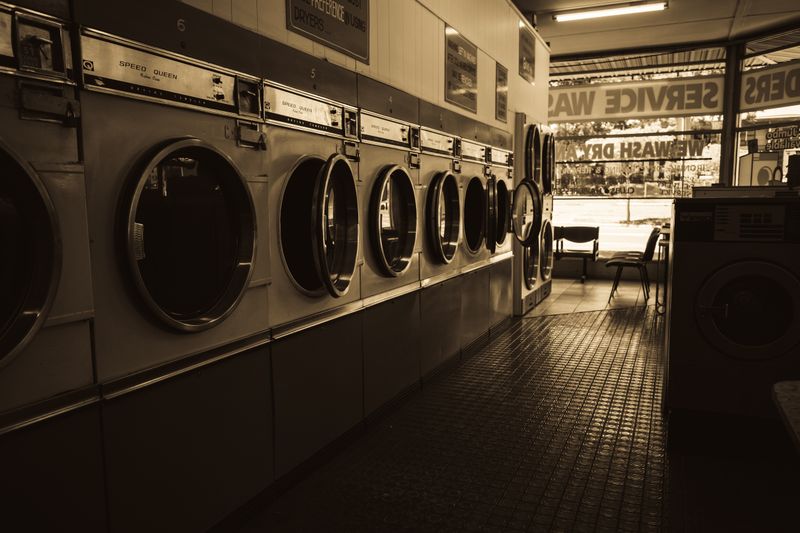
A hot dryer cycle applies more thermal stress in an hour than months of wearing. Commercial laundromat dryers, which run hotter, do it faster still.
The loss is cumulative and invisible until enough chains have failed that the garment no longer recovers. Then it appears to have gone all at once.
Chlorine and body oils attack it chemically
Chlorine bleach degrades elastane quickly, which is why bleach is excluded from care labels on anything stretchy and why swimwear has a limited life in a chlorinated pool.
Skin oils and sunscreen accumulate in the fiber and accelerate breakdown, so athletic clothing left in a bag after a workout ages faster than the same garment washed promptly.
Ordinary detergent removes both, which makes washing after use protective rather than damaging, provided the temperature stays moderate.
The care that extends it is mostly about temperature
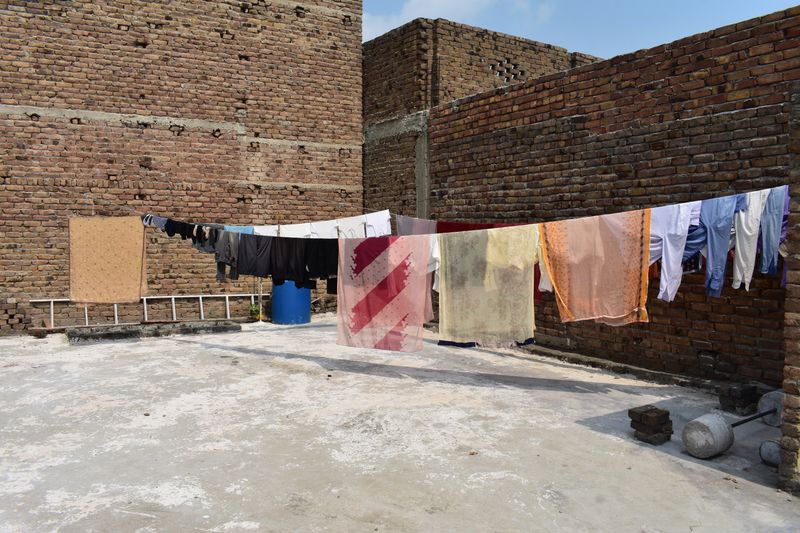
Washing cold and drying on a rack removes almost all the thermal stress, and air drying is fast for these fabrics because they hold little water to begin with.
Where a dryer is unavoidable, the lowest heat setting or an air-only cycle does the job with far less damage, at the cost of taking longer.
Fabric softener also coats the fibers and reduces both moisture wicking and stretch recovery, which is why athletic garments carry instructions against it.
Questions readers ask
Is it wasteful to run a half load?
Somewhat, since machines use less water on a half load but not proportionally less. Waiting for a full load is more efficient, provided you are not left without clean clothes.
How often should jeans be washed?
Far less often than most people assume, since washing is what fades and wears them. Airing between wears and spot cleaning handles most of it.
Also by Ritu Dhar
- Too Much Detergent Is Why Your Towels SmellLaundry & Clothes
- The Washing Machine Needs Washing TooLaundry & Clothes
- Ironing Is a Sequence, Not a SkillLaundry & Clothes
- Stains Come Out by Category, Not by Miracle SprayLaundry & Clothes