Laundry & Clothes
Cotton Shrinks Once and the Dryer Does It
Cotton fibers are stretched under tension during manufacturing, and the relaxation that follows heat and moisture is what people experience as a garment shrinking.
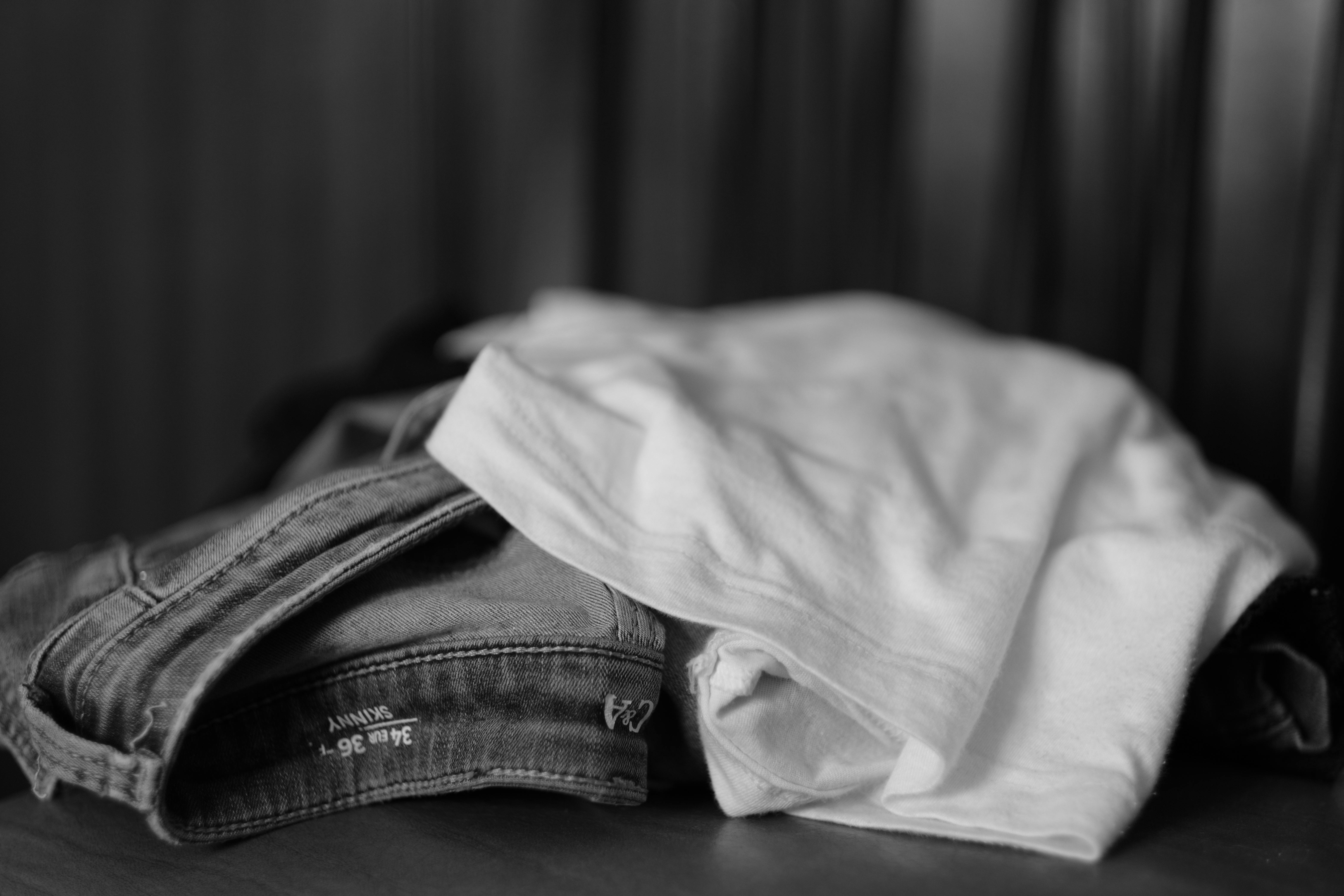
A cotton shirt that fit when bought and does not after one wash has not lost material. It has released tension that was built into the yarn before the garment was ever cut.
The fiber was stretched before you owned it
Spinning and weaving hold cotton under tension, and the finished fabric is set in that stretched state. The fiber retains a memory of a shorter, relaxed length underneath.
Water swells the fibers and heat gives them the energy to move, and together they let the yarn return toward its natural dimension. The fabric contracts as a result.
This is why the change is largely a one-time event. Once the tension has been released, subsequent washes remove very little further, unless the garment is exposed to significantly more heat than before.
Heat in the dryer does more than heat in the wash
Washing in warm water contributes, but the dryer combines high heat with constant tumbling, which mechanically works the fibers while they are hot and wet.
That combination is why a garment can survive several warm washes and then shrink noticeably the first time it goes through a full hot dry cycle.
Removing cotton while it is still slightly damp and letting it finish on a hanger stops the process at the point where the fabric is dry but has not been baked.
Preshrunk means most of it already happened
A preshrunk label indicates the fabric was deliberately washed and dried during manufacturing so the relaxation occurred before cutting. It reduces further change rather than eliminating it.
Untreated cotton, particularly in inexpensive shirts and in raw denim, can change size substantially on the first wash, which is why some garments are sold deliberately oversized.
Blends behave according to their content. Polyester does not shrink meaningfully, so a blend moves less than pure cotton in proportion to how much of it is synthetic.
Shrinkage is mostly in one direction
Woven fabric contracts more along the direction that was under greater tension during manufacturing, which for most shirts means length changes more than width.
Knits behave differently again, because the loops can distort in either direction, and a knit that has been stretched while wet may lengthen rather than shorten.
Gentle stretching while damp can recover a small amount on a knit. On a woven cotton shirt that has already relaxed, it recovers very little and creases the fabric instead.
Questions readers ask
Is it wasteful to run a half load?
Somewhat, since machines use less water on a half load but not proportionally less. Waiting for a full load is more efficient, provided you are not left without clean clothes.
How often should jeans be washed?
Far less often than most people assume, since washing is what fades and wears them. Airing between wears and spot cleaning handles most of it.
Also by Ritu Dhar
- Too Much Detergent Is Why Your Towels SmellLaundry & Clothes
- The Washing Machine Needs Washing TooLaundry & Clothes
- Ironing Is a Sequence, Not a SkillLaundry & Clothes
- Stains Come Out by Category, Not by Miracle SprayLaundry & Clothes