Laundry & Clothes
A Laundry Rhythm for One Person's Worth of Clothes
One person generates less than a machine load a week, which creates a specific problem: wait too long and you have nothing to wear, wash too often and you waste both water and clothes.

This is written to be used rather than admired. Each section below is a decision about a laundry routine for one, and each one has a default.
Before you start
- One person typically produces one to two machine loads a week.
- Washing clothes fewer times is the largest single factor in how long they last.
- Sorting into separate baskets removes the decision at the point of washing.
The arithmetic of one person's laundry
A single person generates roughly one to two full loads a week, depending on work clothes, sport and how many towels are in rotation. That is awkward, because it is too little to run daily and just enough that skipping a week creates a crisis.
Running half loads wastes water and energy per garment, and most machines do not scale down proportionally. The practical answer is a fixed slot, usually one main wash a week plus an occasional second for bedding or sportswear. Fixing the day matters more than the frequency, because a variable schedule is one you eventually stop following.
Three baskets, not one
Separate at the point of undressing into everyday clothes, towels and bedding, and delicates or anything requiring gentle treatment. That converts sorting from a chore performed under time pressure into something that happens automatically all week. The delicates basket fills slowly, which is fine, since those garments generally need washing least often.
The version that survives a bad week: keep a fourth small container for anything needing stain treatment before it goes in, so nothing gets washed and set by accident. Ventilated baskets matter, because damp gym clothes in a sealed bin develop a smell that survives washing.
Washing less often without being unpleasant
Outer layers, jeans, knitwear and jackets do not need washing after each wear, and washing them is what wears them out. Items in direct contact with skin, including underwear, socks and shirts worn against the body, are a different category entirely.
On a Sunday evening, airing overnight on a hanger removes most odour from wool and outerwear, which is why hotels put a valet stand in the room. Spot cleaning a mark is faster than a full wash and does less damage to the rest of the garment. The general principle is to wash what is dirty rather than what has been worn, which is both gentler and considerably faster.
Bedding and towels
Bedding and towels are the items where a hotter wash is genuinely worthwhile, because they absorb body oils and stay damp. Weekly for sheets and every few uses for towels is the common recommendation, and hot climates and heavy sweating shorten both.
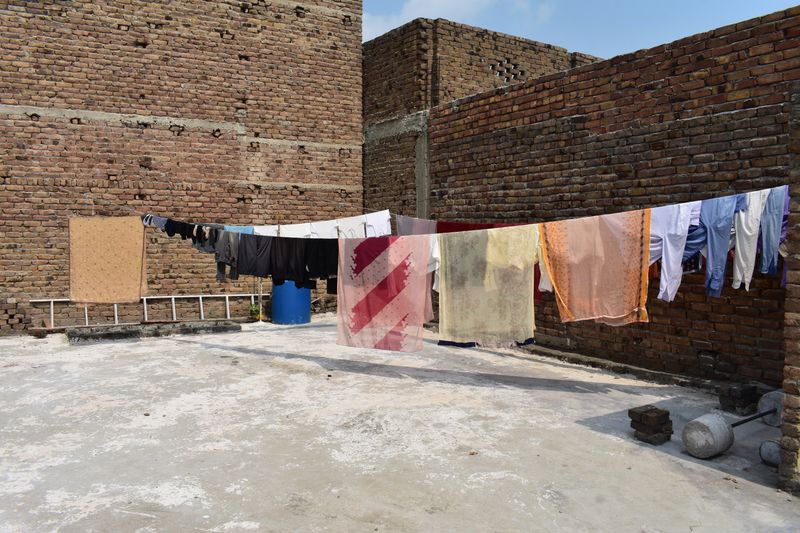
Two sets of bedding removes the pressure of stripping the bed and remaking it the same day. Towels dry between uses only if they are hung spread out, since a folded towel on a hook stays damp all day.
This is the load that most benefits from a high spin, because towels hold an enormous amount of water.
Working around a shared or absent machine
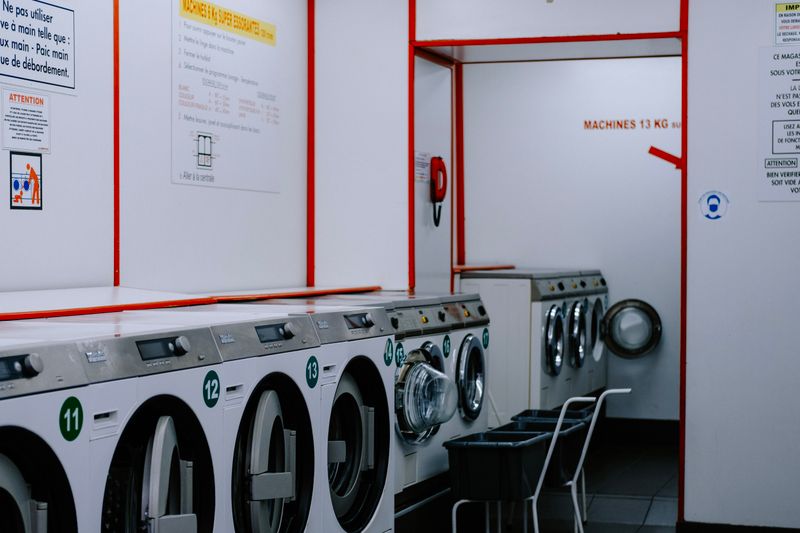
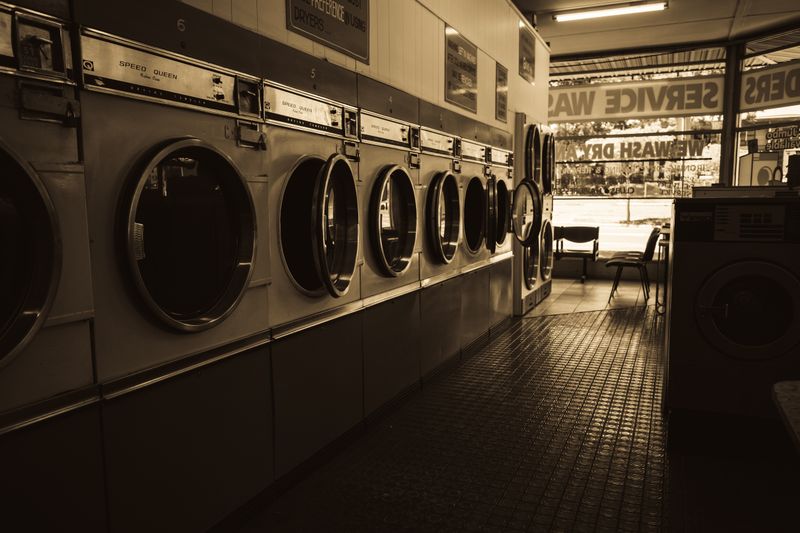
In a building with a shared laundry, going at a fixed unpopular hour saves more time than any other optimisation. Without a machine, a launderette trip is a fixed cost in both money and time, which argues for fuller loads and fewer trips. Service washes cost more and convert two hours of your time into a drop-off, which for many people is a reasonable trade.
On a Sunday evening, hand washing a small number of items in a sink covers the gap between launderette trips for underwear and shirts. In either case, having enough of the daily essentials to cover ten days rather than five removes most of the pressure.
Leave gas, mains electrics and anything behind a wall to someone qualified and insured.
Making the routine survive a bad week
Enough underwear and socks for at least ten days is the buffer that stops one skipped wash becoming an emergency. Keep the process to as few steps as possible, since a routine with five stages is one that fails at the third. Put clean laundry away the same day it dries, because the pile on the chair is where every laundry system actually collapses.
In a small flat, if a week is missed, do the load that matters rather than trying to catch up on everything at once. The measure of a good routine is not that it never fails, it is how quickly it restarts after it does.
The takeaway
One fixed day, three baskets, ten days of socks, and put it away the same evening it dries.
A home that works is a set of small systems, not one big clean.
Questions readers ask
Is it wasteful to run a half load?
Somewhat, since machines use less water on a half load but not proportionally less. Waiting for a full load is more efficient, provided you are not left without clean clothes.
How often should jeans be washed?
Far less often than most people assume, since washing is what fades and wears them. Airing between wears and spot cleaning handles most of it.
Also by Ritu Dhar
- Too Much Detergent Is Why Your Towels SmellLaundry & Clothes
- The Washing Machine Needs Washing TooLaundry & Clothes
- Ironing Is a Sequence, Not a SkillLaundry & Clothes
- Stains Come Out by Category, Not by Miracle SprayLaundry & Clothes