Laundry & Clothes
A Front Loader and a Top Loader Wash Differently
Front-loading machines tumble clothes through a shallow pool of water while top loaders agitate them in a full drum, which changes water use, wear and cycle length.

The two dominant washing machine designs in American homes clean by different mechanical means. That difference explains their water consumption, their cycle times and the very different complaints their owners have.
One lifts and drops, the other stirs
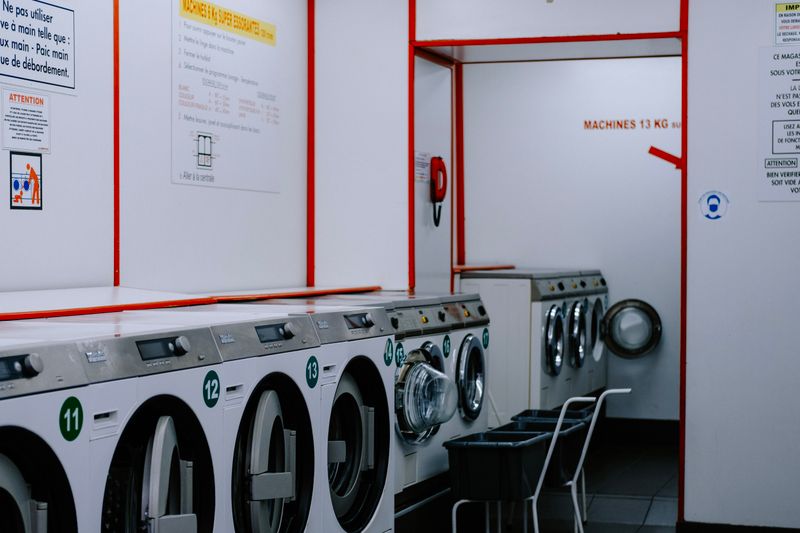
A front loader rotates a horizontal drum, lifting clothes on paddles and dropping them into a shallow pool of water at the bottom. The mechanical action comes from the fall and the friction.
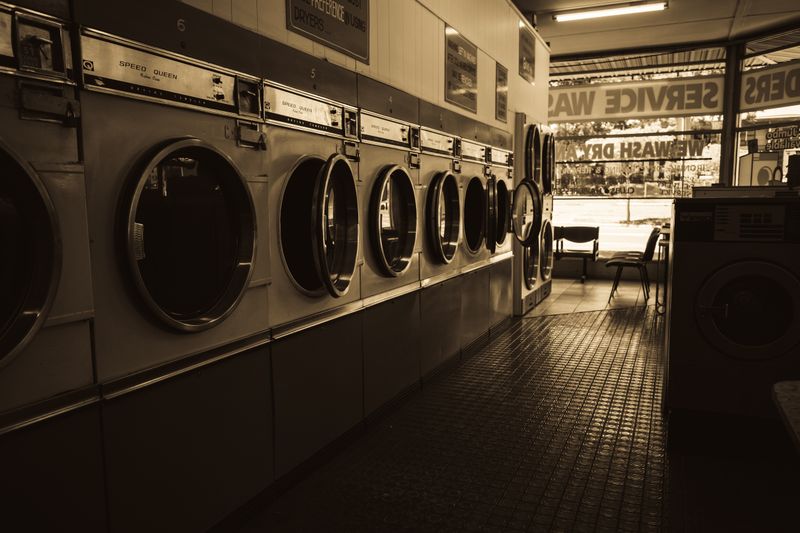
A traditional top loader fills the drum and moves clothes through the water with an agitator or an impeller plate. The action comes from the clothes being pushed against each other and against the mechanism.
Because the front loader only needs enough water to wet the clothes rather than submerge them, it uses substantially less water and less energy to heat that water.
Less water means more concentrated detergent
The same dose of detergent in a much smaller volume of water produces a far stronger solution, which is why high-efficiency machines specify low-sudsing formulations.
Excess suds cushion the clothes and reduce the mechanical action that actually does the cleaning, so overdosing a front loader makes it wash worse rather than better.
Suds also survive the rinse and remain in the fabric, which is a common cause of stiff towels and a persistent odor that gets blamed on the machine.
The door seal is the front loader's weak point
The rubber gasket that keeps water in the drum also holds a small amount of water after every cycle, and a sealed door keeps that pocket warm and dark.
That is the origin of the smell associated with front loaders. Wiping the seal and leaving the door ajar between loads removes the conditions rather than masking the result.
Top loaders drain and vent more freely by design, which is why they rarely develop the same problem and why their owners find the complaint puzzling.
Spin speed determines how much drying is left
Front loaders generally spin faster because the horizontal drum is better balanced for high speed, and they extract considerably more water before the load comes out.
Less residual water means less time and energy in the dryer, or a much shorter wait on a drying rack, which is the larger part of the total energy cost of doing laundry.
Higher spin speeds also set more creases into cotton, which is the trade-off, and why shirts hung immediately out of a fast spin still need attention.
Questions readers ask
Is it wasteful to run a half load?
Somewhat, since machines use less water on a half load but not proportionally less. Waiting for a full load is more efficient, provided you are not left without clean clothes.
How often should jeans be washed?
Far less often than most people assume, since washing is what fades and wears them. Airing between wears and spot cleaning handles most of it.
Also by Ritu Dhar
- Too Much Detergent Is Why Your Towels SmellLaundry & Clothes
- The Washing Machine Needs Washing TooLaundry & Clothes
- Ironing Is a Sequence, Not a SkillLaundry & Clothes
- Stains Come Out by Category, Not by Miracle SprayLaundry & Clothes